

Continuing to release the stock that has been shelved for half a year, this time I bring you another well-known leather factory in Italy: INCAS.
The full name of the leather factory is Iniziative Conciarie ASsociate, which is abbreviated to INCAS by taking a few letters from the name. The factory was established in 1972 and, after continuous development and integration, has now become a leather industry giant, with a factory covering an area of 22,000 square meters and an annual leather output of nearly 20 million square feet.
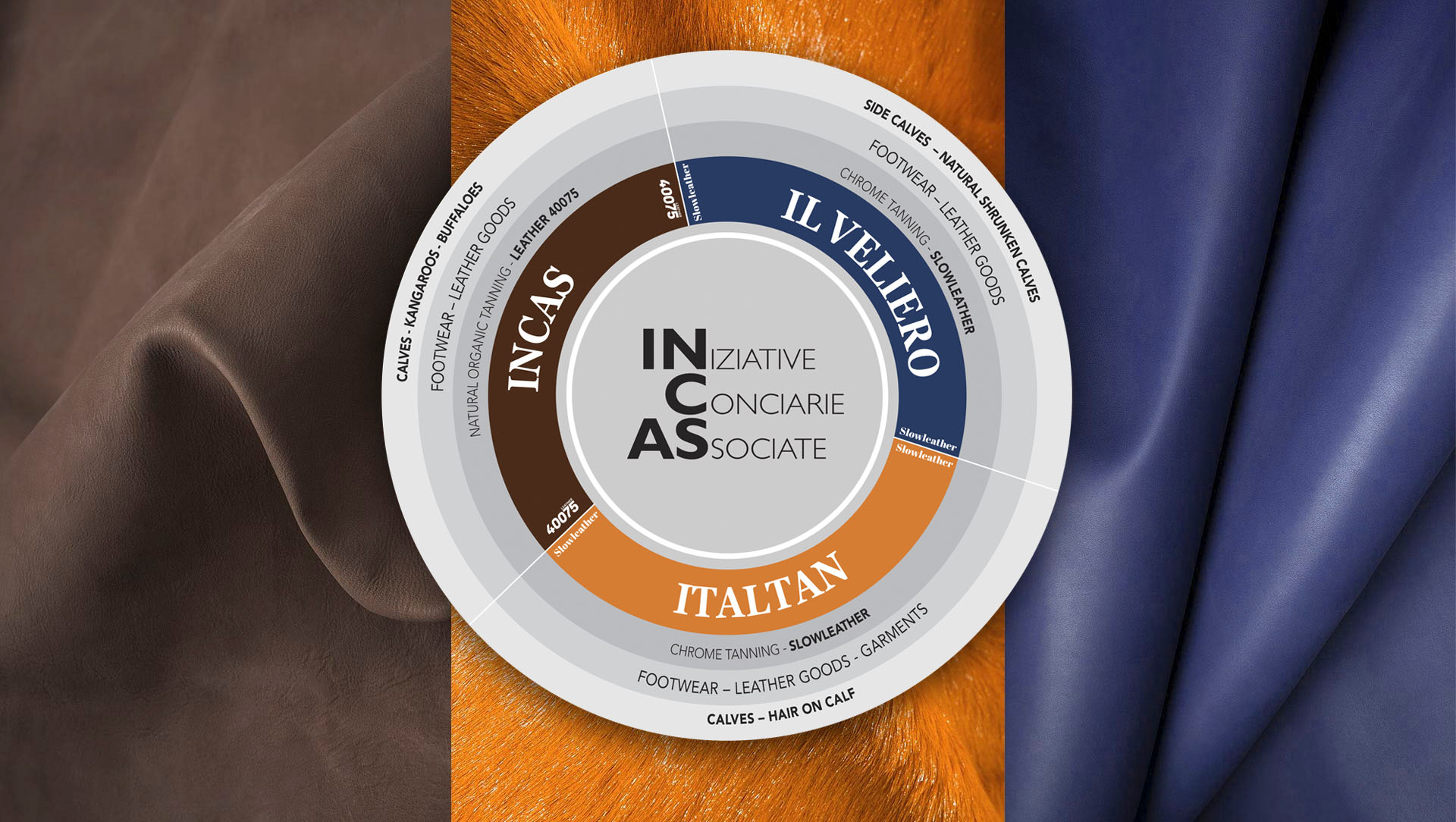
At present, there are three sub-brands, each producing different main products:
- Incas: Full vegetable-tanned calf, water buffalo, calfskin, kangaroo, etc.
- IL Veliero Dal 1955: Chrome-tanned calf, water buffalo, etc.
- Italtan: Leather for leather jackets and luxury water buffalo hair.
INCAS focuses on the high-end market, with clients including Hermes, Chanel, Dior, BV, Balenciaga, and so on. The factory has a high degree of digitalization and has invested a considerable amount of time and resources in sustainable development.
Below, we start the visit, which is still in the Santa Croce tanning region of Tuscany. The days in Tuscany were still overcast.
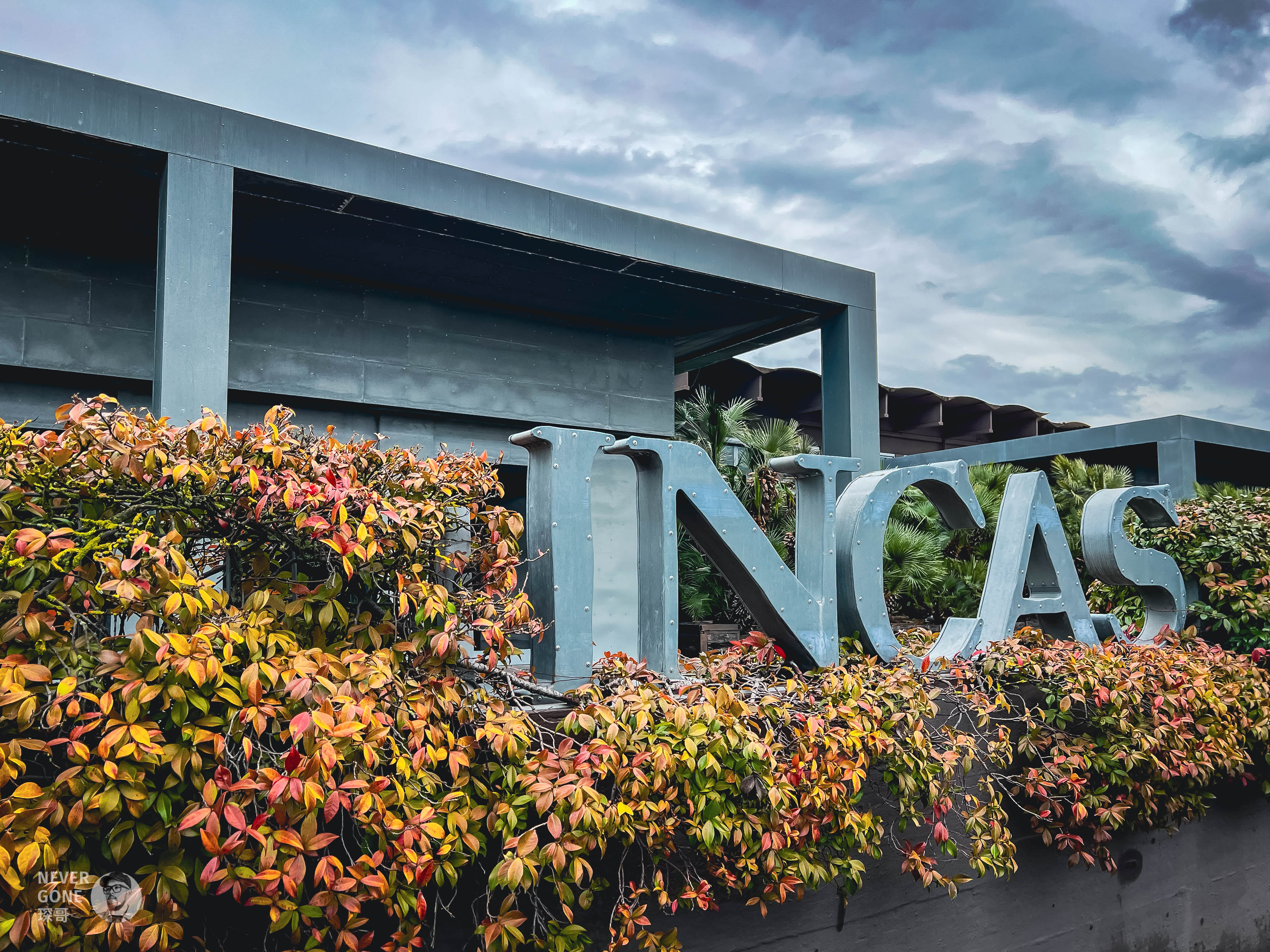
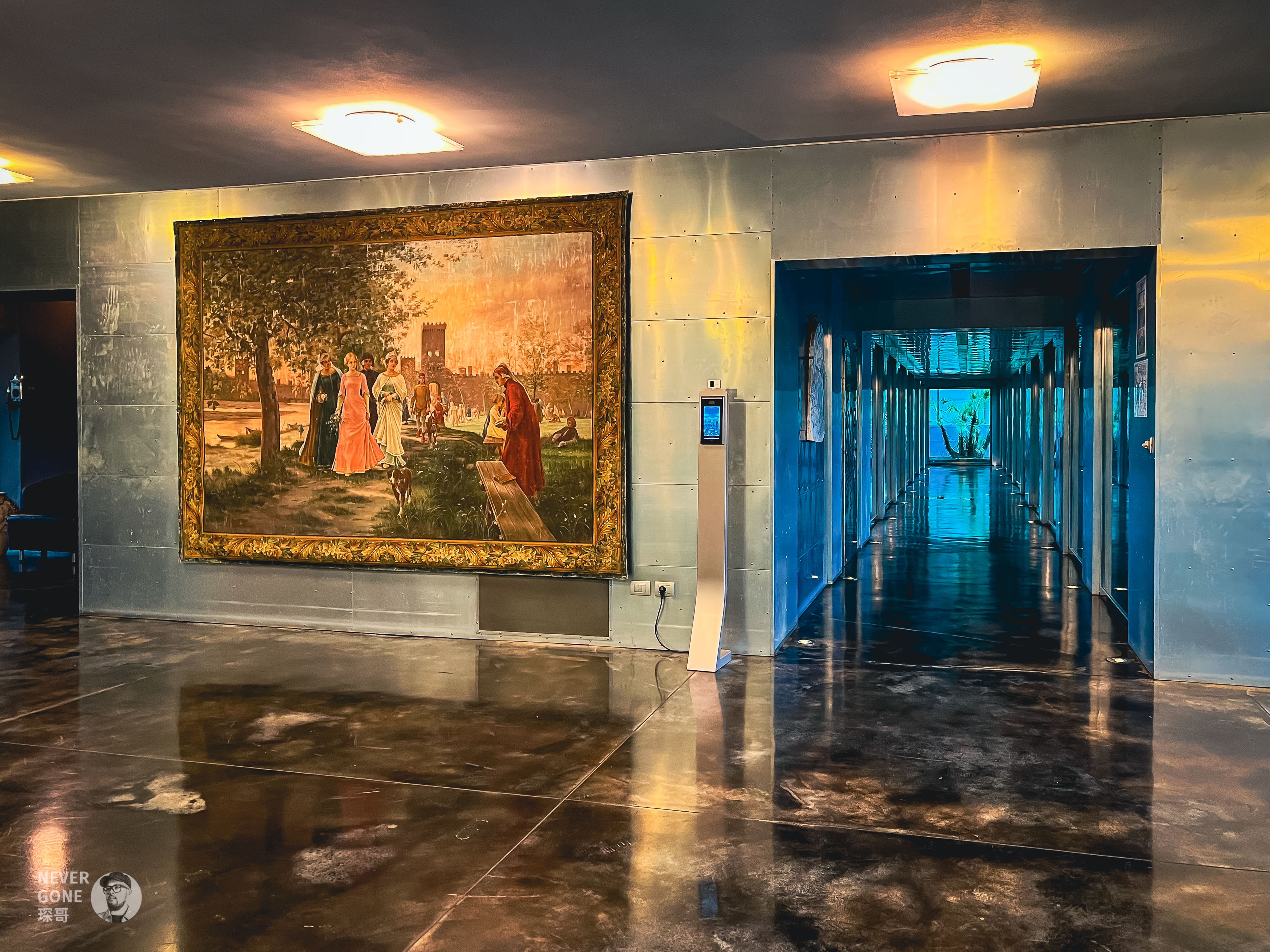
The reception area is decorated with a very artistic sense and is very upscale, worthy of being a giant.
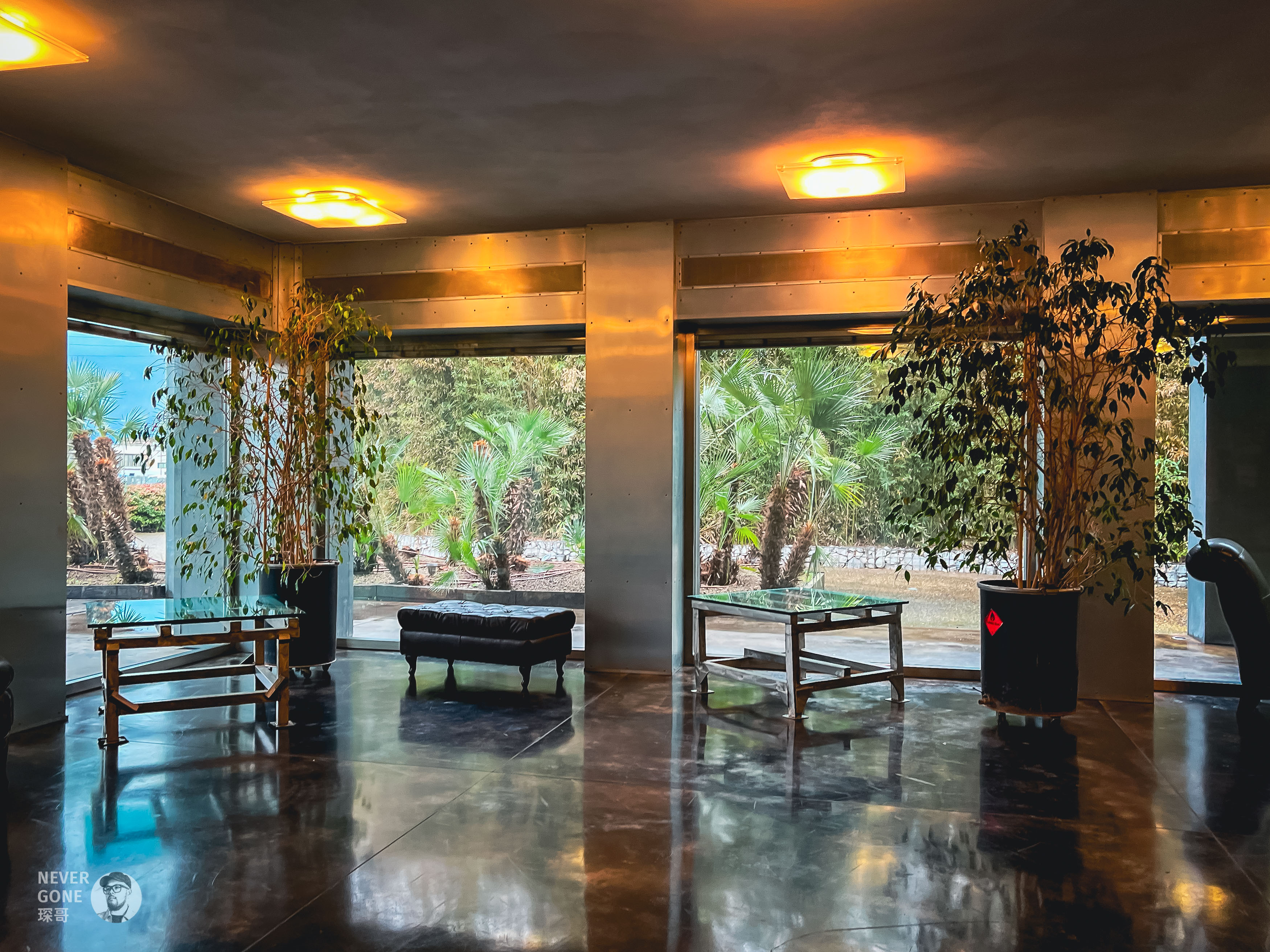
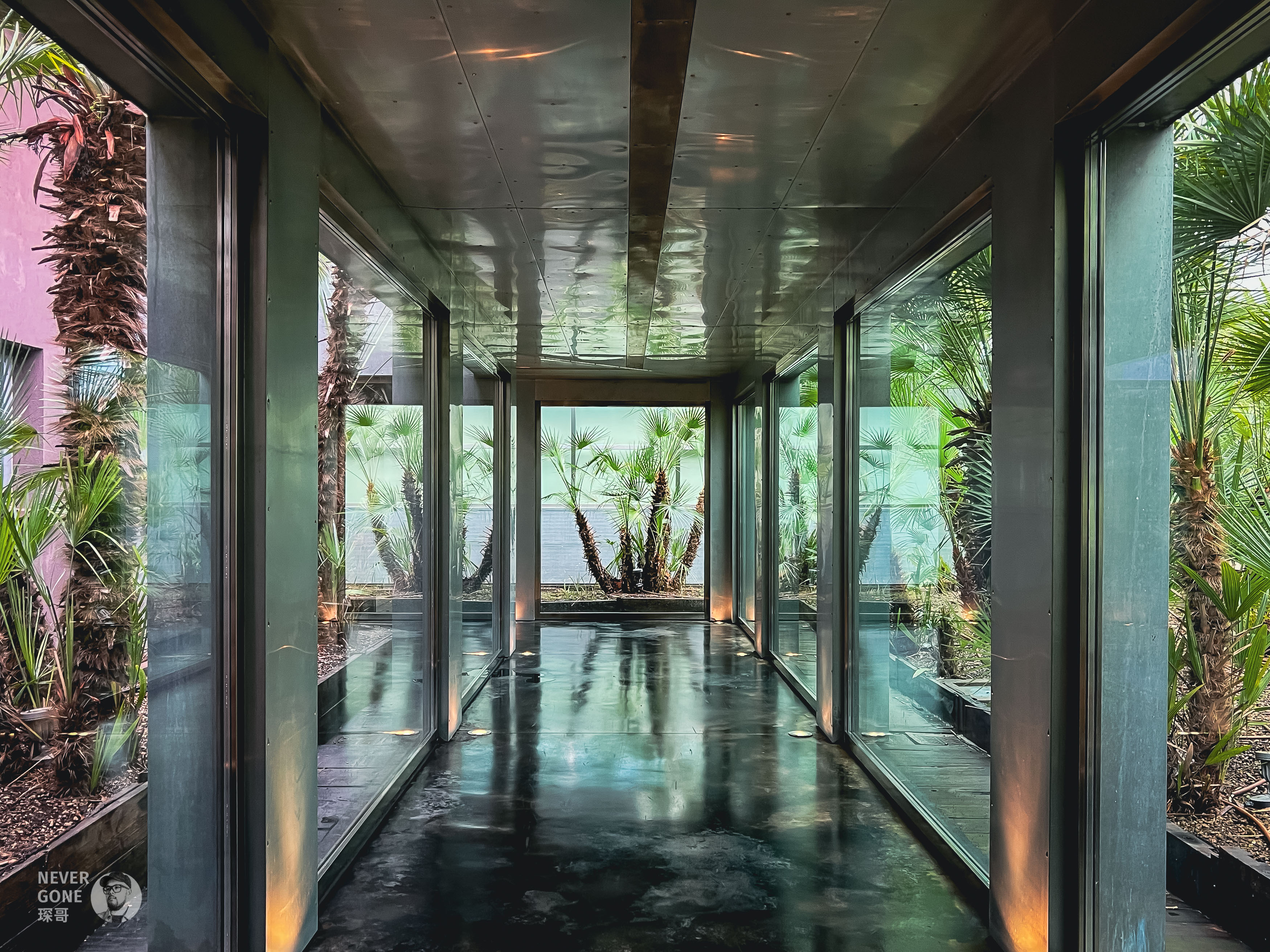
Passing through the green plant corridor to the exhibition hall.
The items in the exhibition hall are part of the Milan Leather Exhibition, and most of them have been seen before.
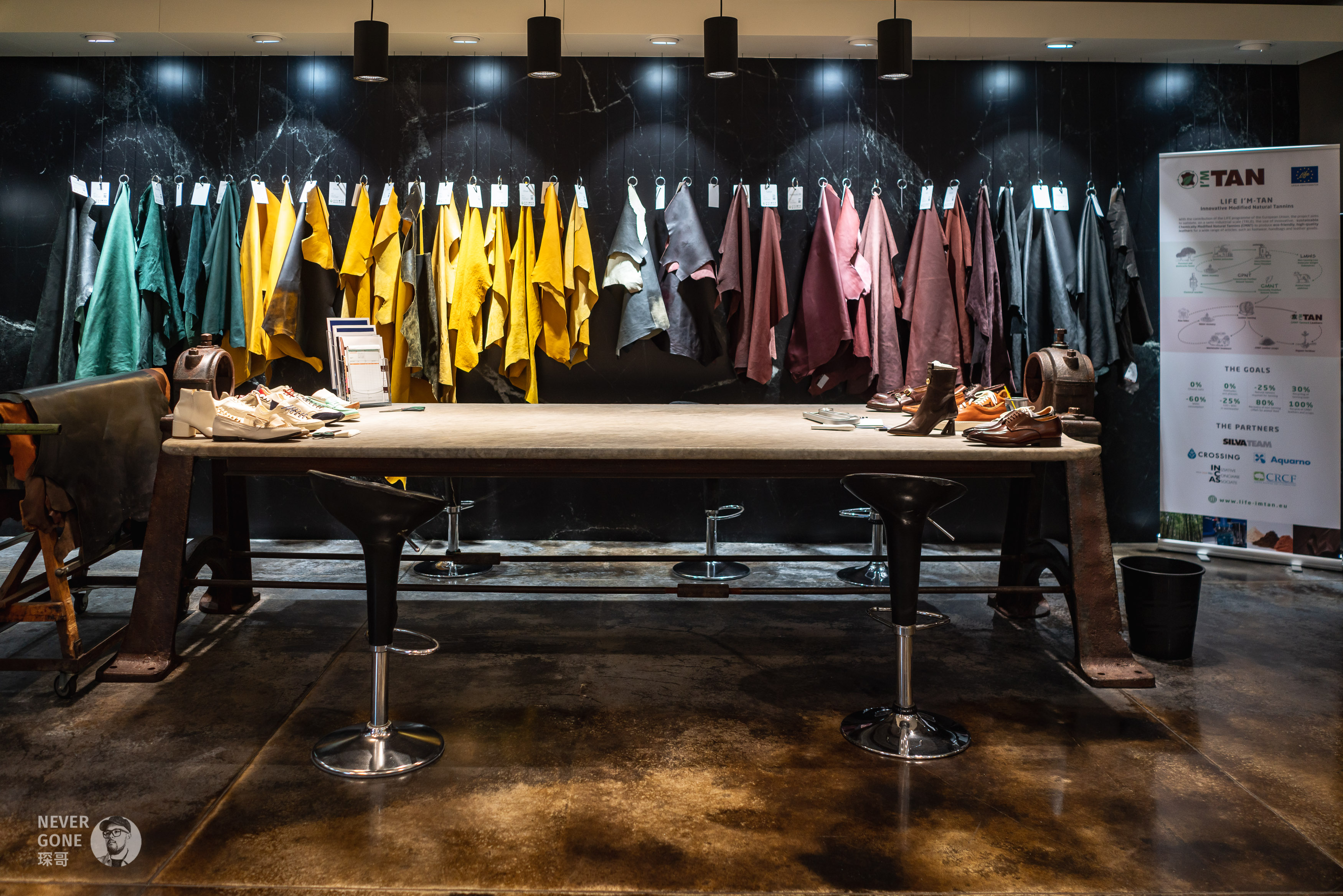
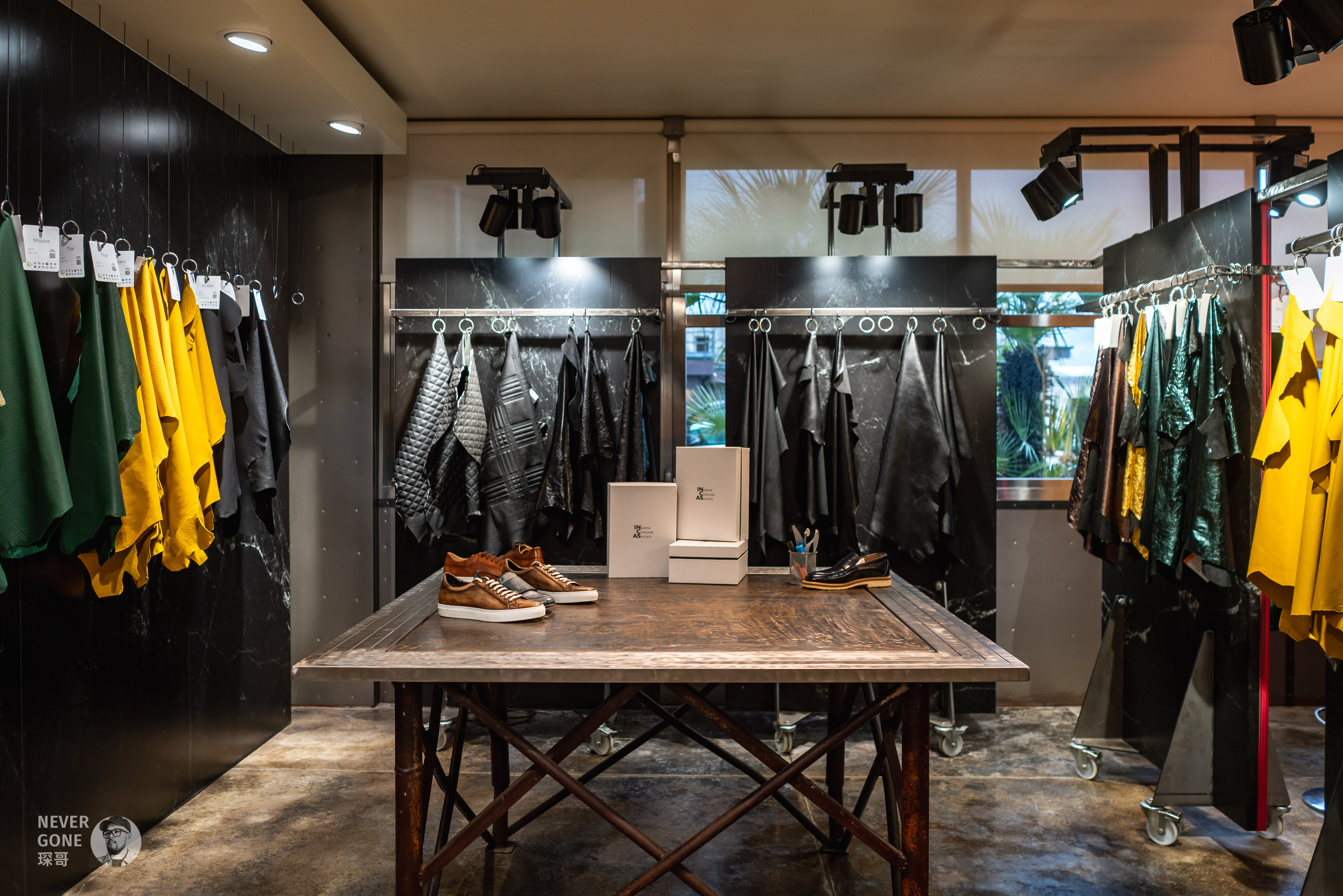
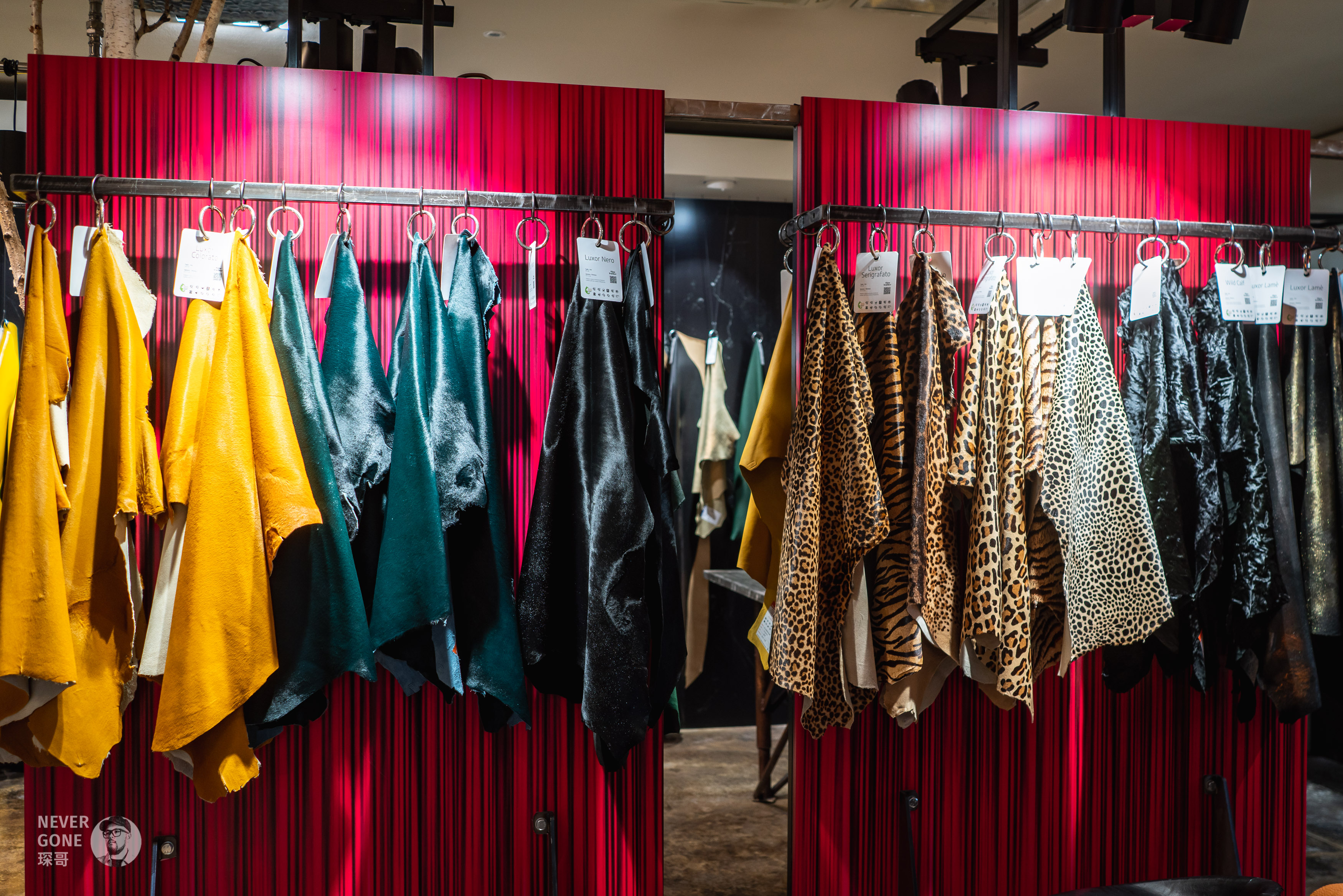
There are all kinds of brands among the customers, so there are also various styles of shoes here.

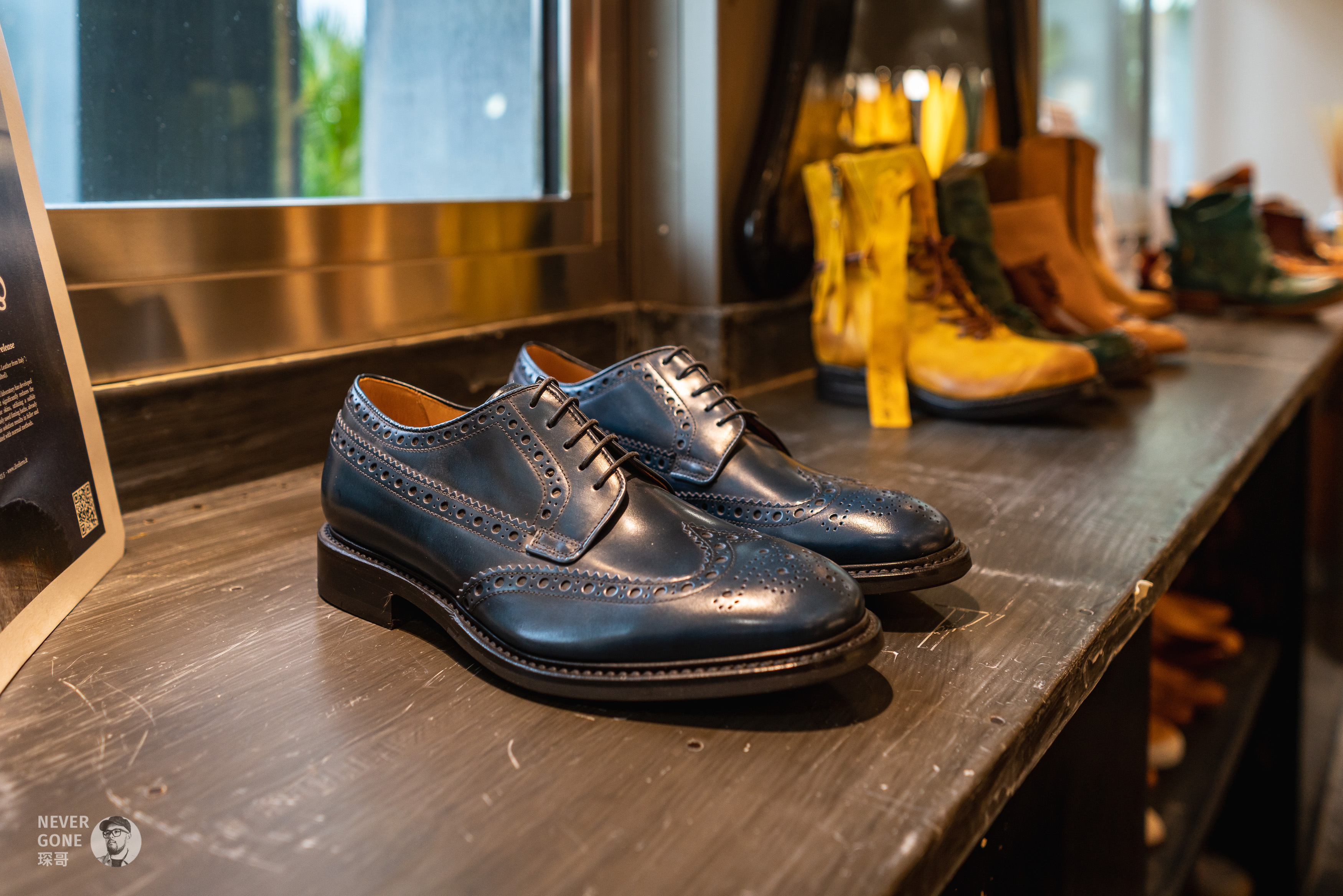
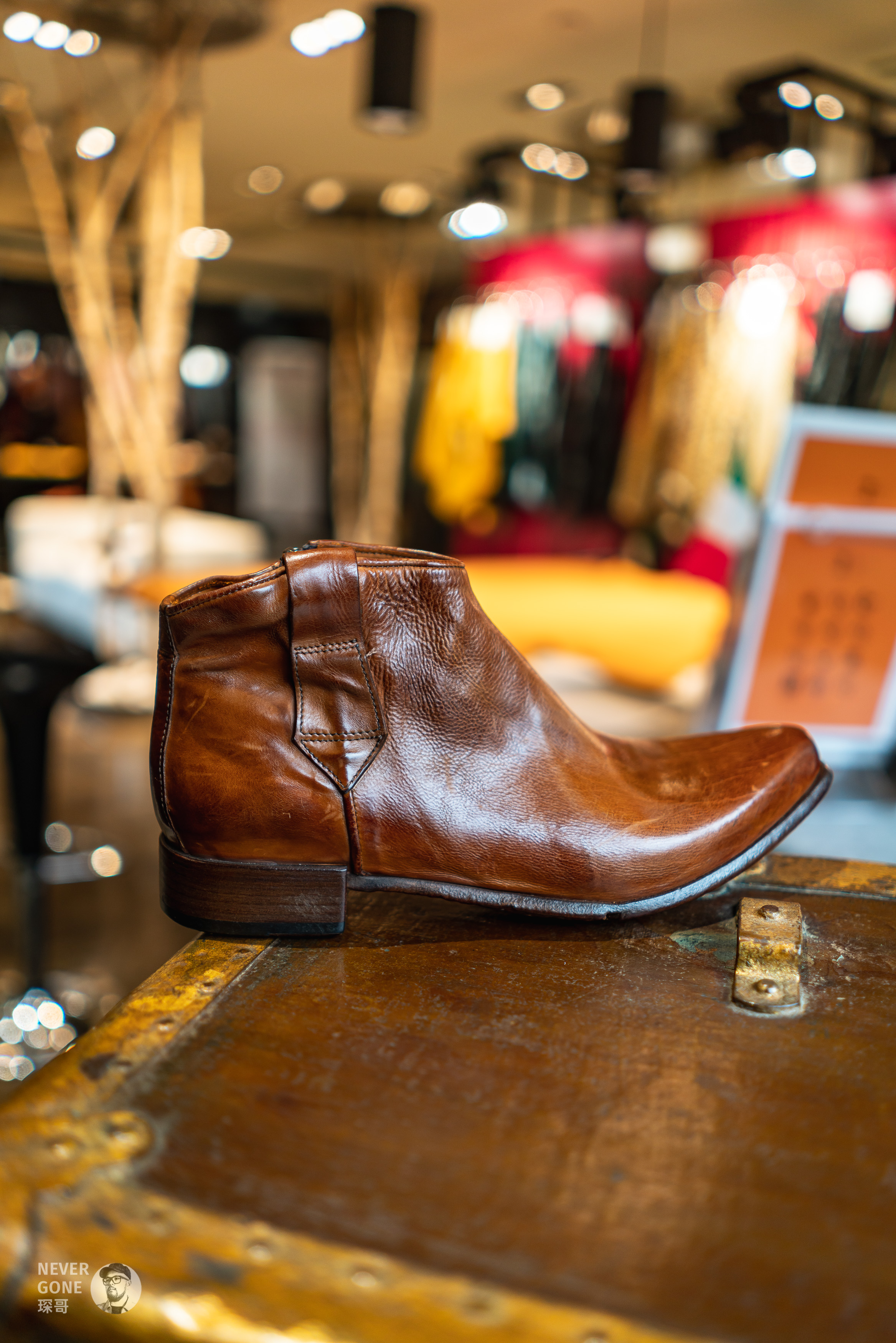
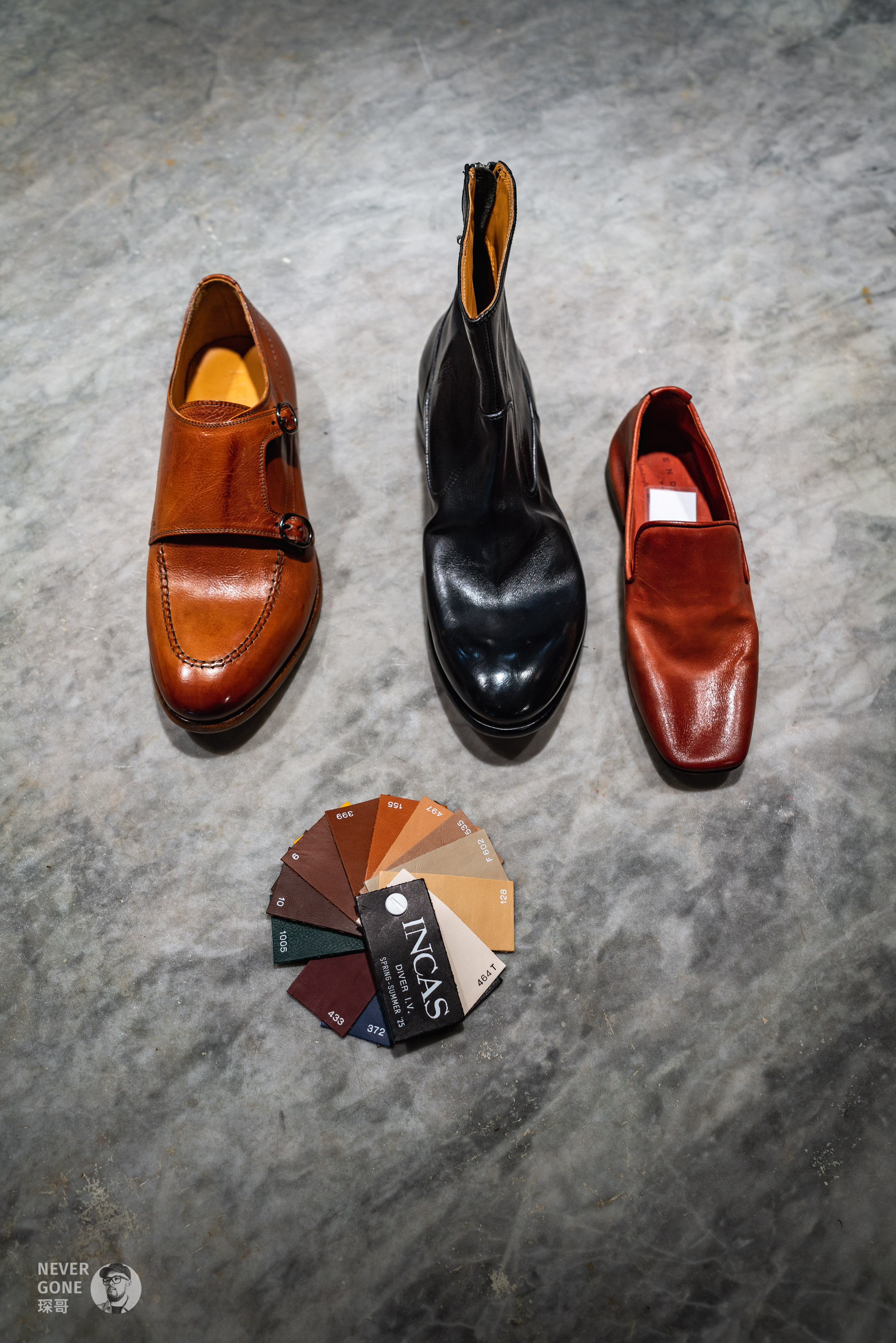
Next, we start the factory tour. I have published several articles about domestic and foreign leather factories. Friends who have seen them should feel very familiar. The leather manufacturing process and equipment layout are relatively similar, and the biggest difference is the scale. Giants will have more tanning drums, richer production testing equipment, larger warehouses, etc.
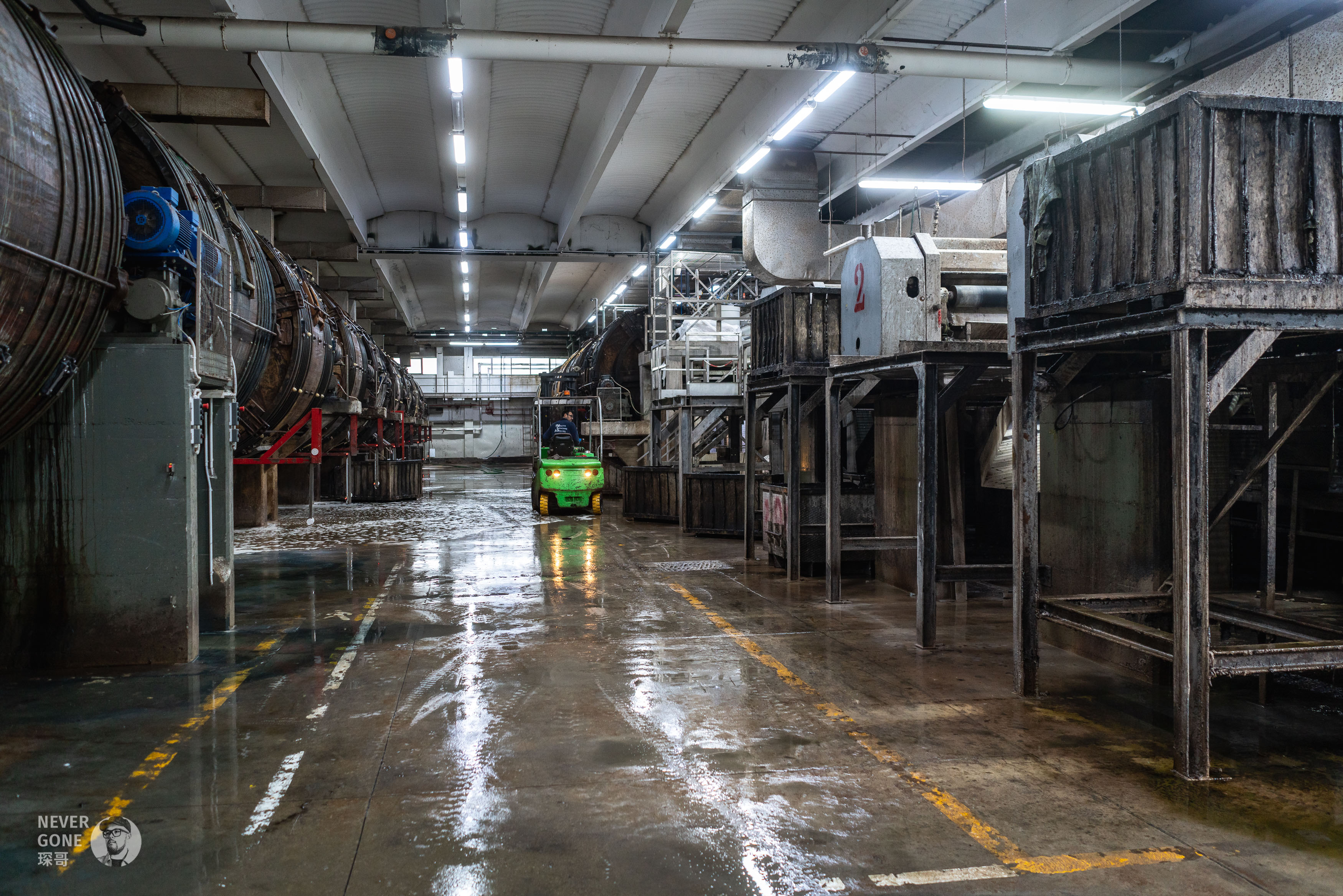
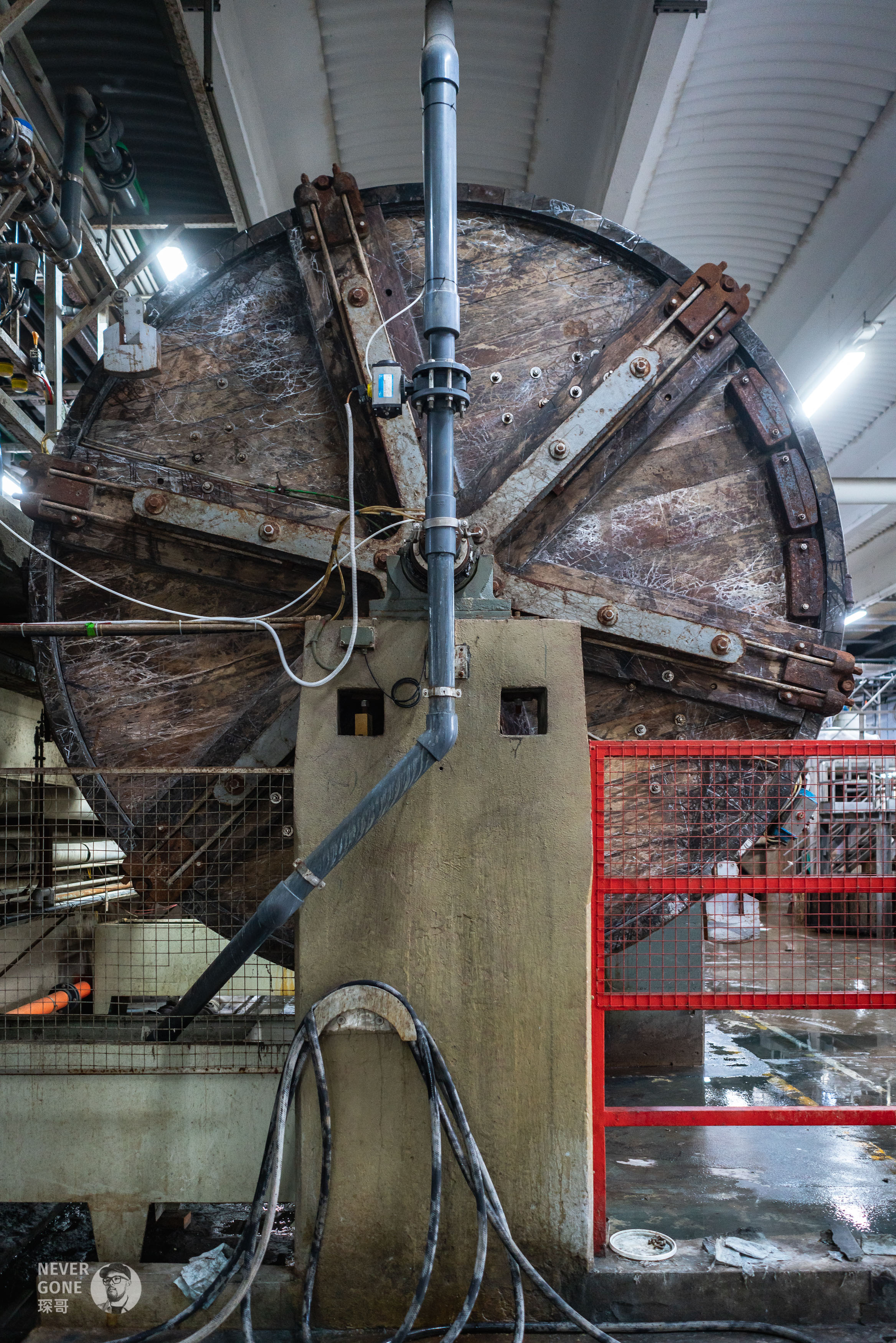
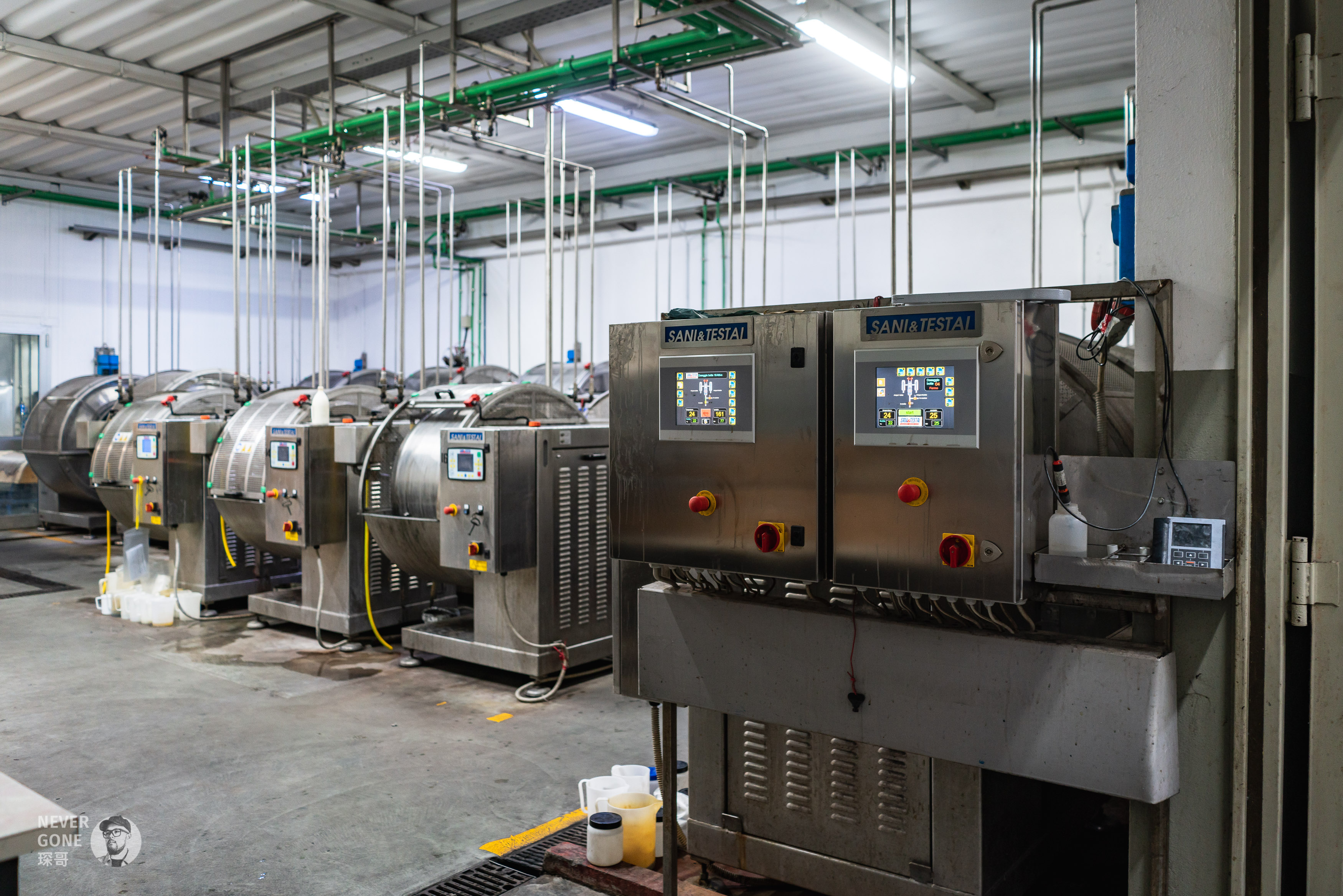
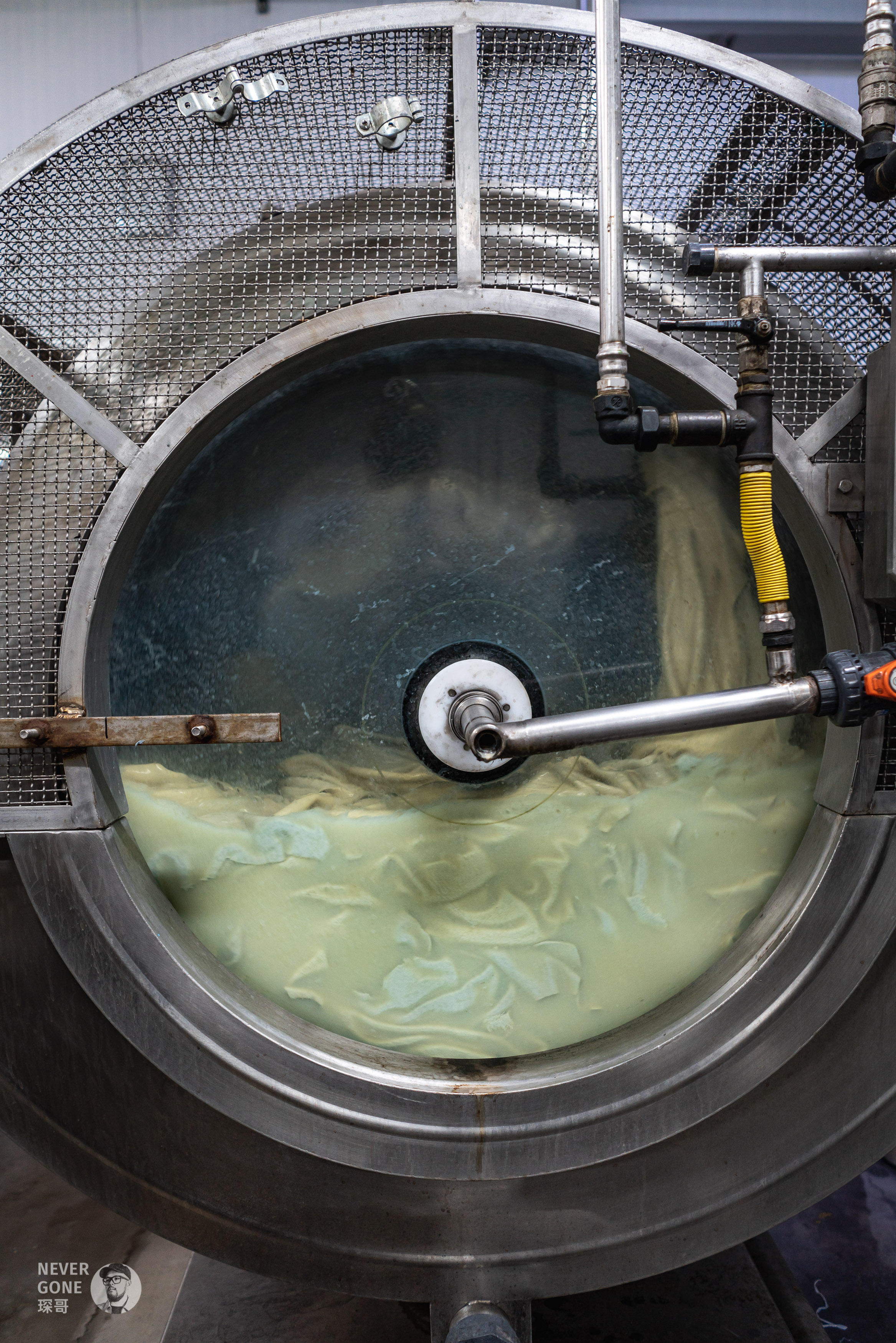
INCAS’s tanning department has fully achieved computerization, which can program and control the processing process of each drum in detail.
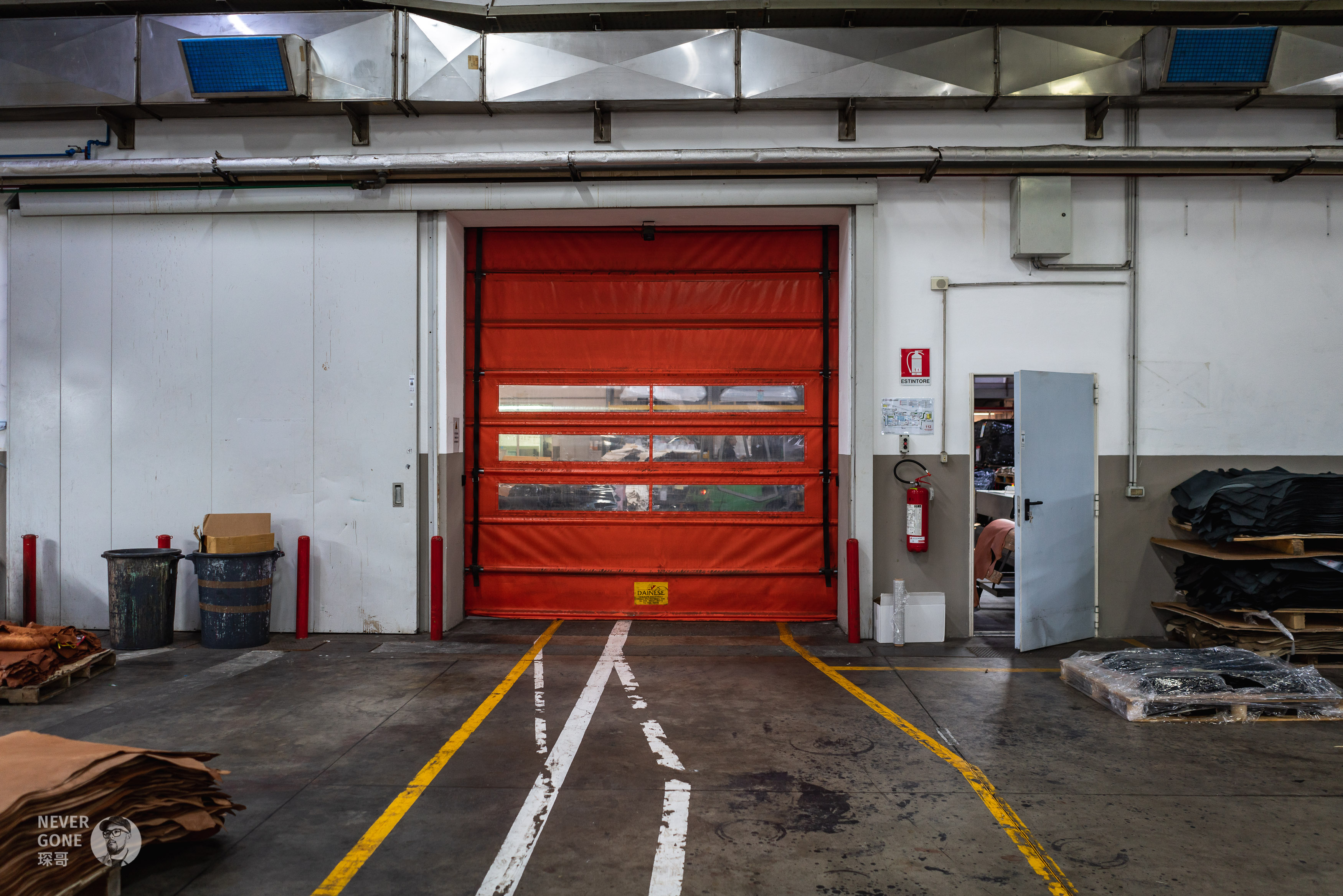
This factory is indeed quite large, divided into several plants according to the leather production process, but not as large as Prime Asia.
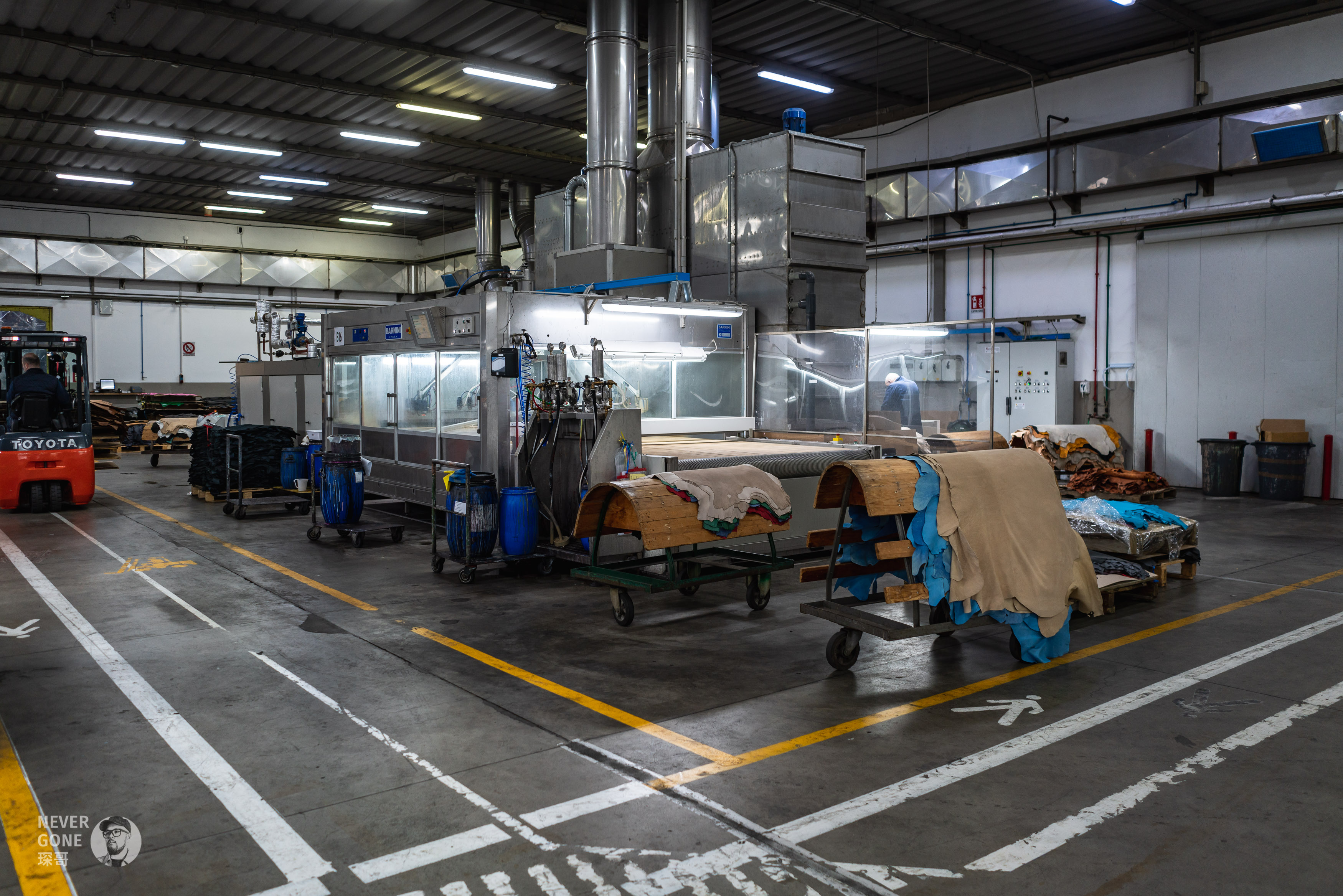
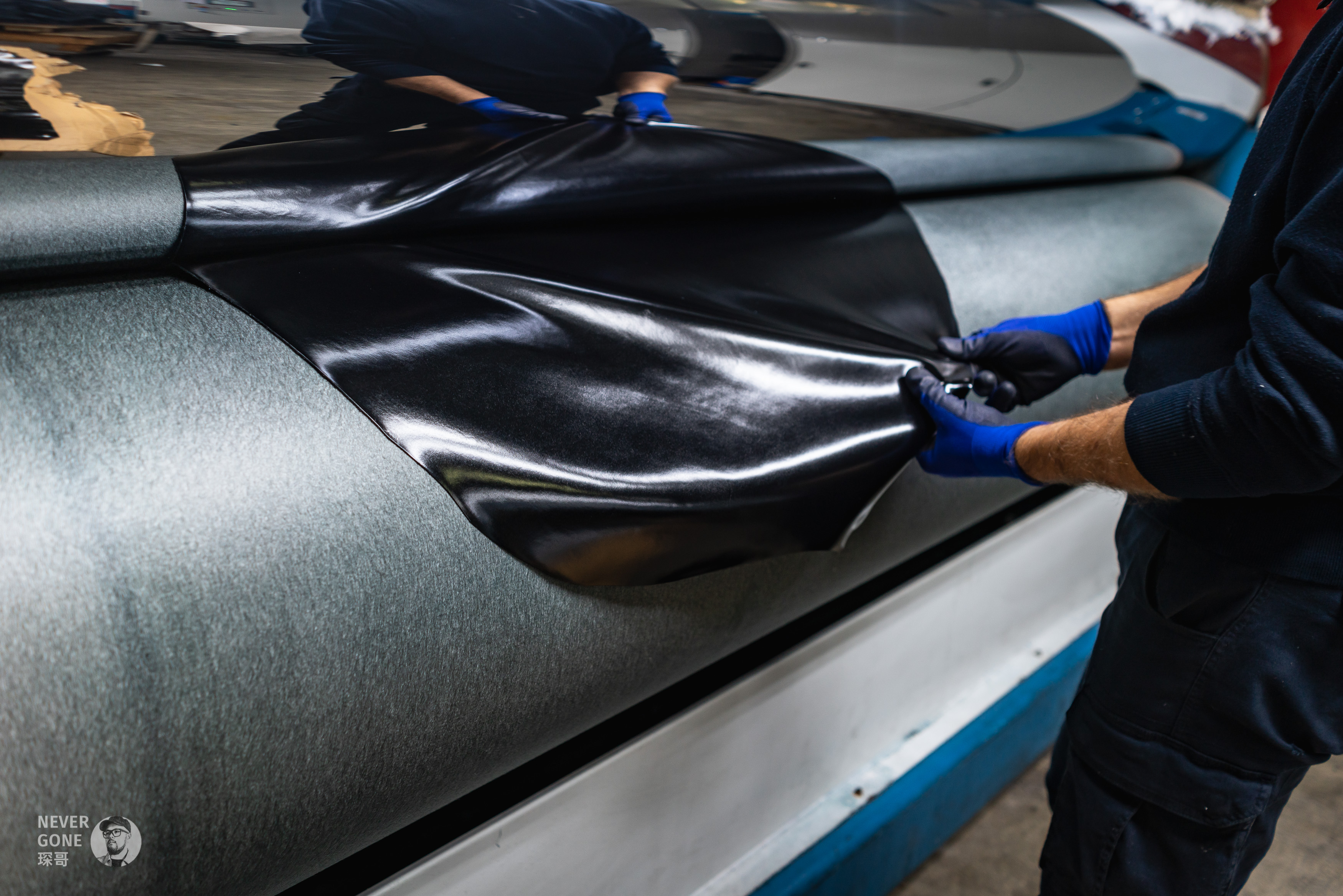
The finishing department is equipped with advanced mechanical equipment, capable of producing a variety of industrial products, which is highly praised in the luxury goods industry. In addition,
INCAS continues to invest in environmental protection, energy saving, and sustainable development to achieve low environmental impact and comprehensive protection for employees.

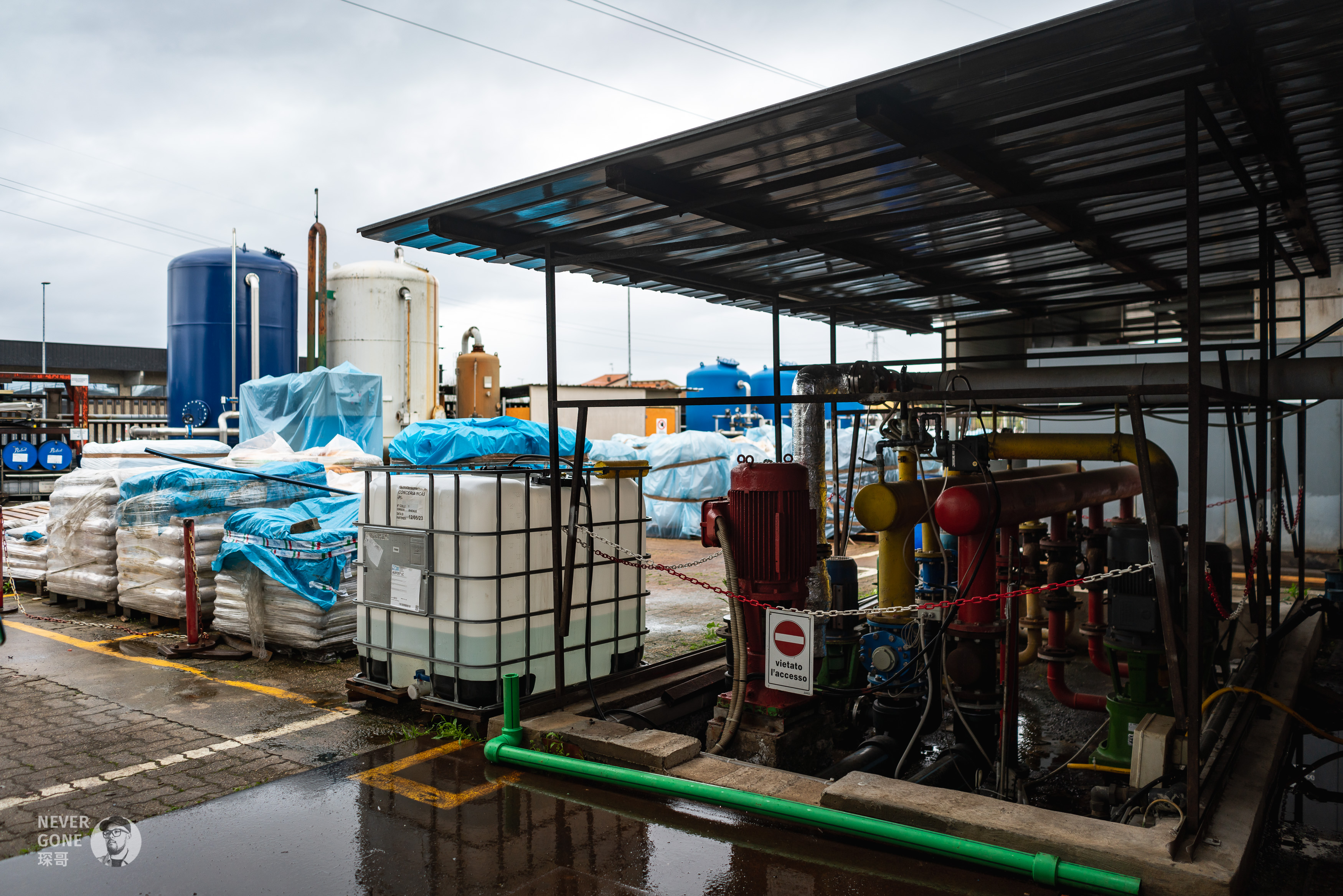
I also took a photo outside the factory.
It seems that there are quite a few old employees.
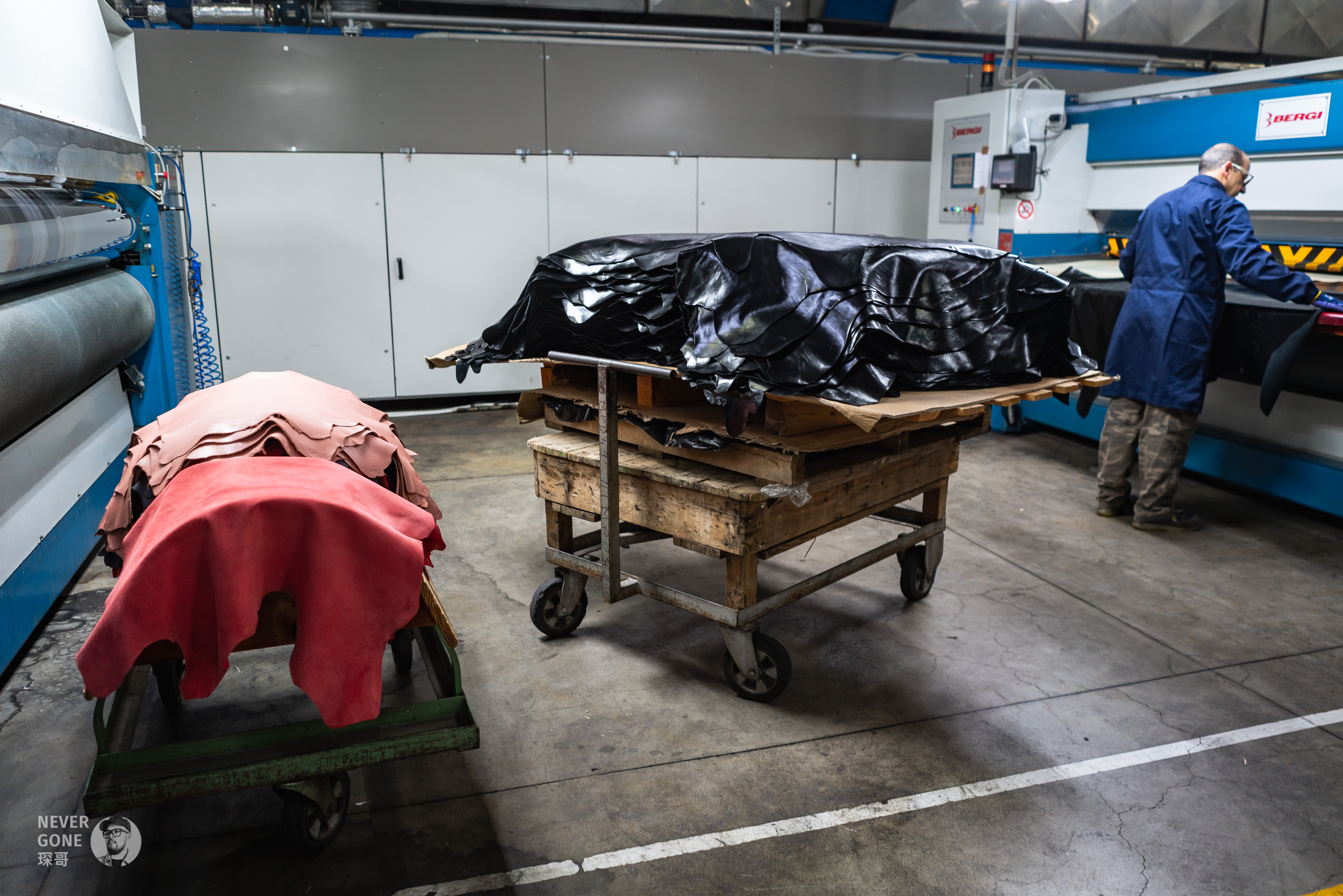
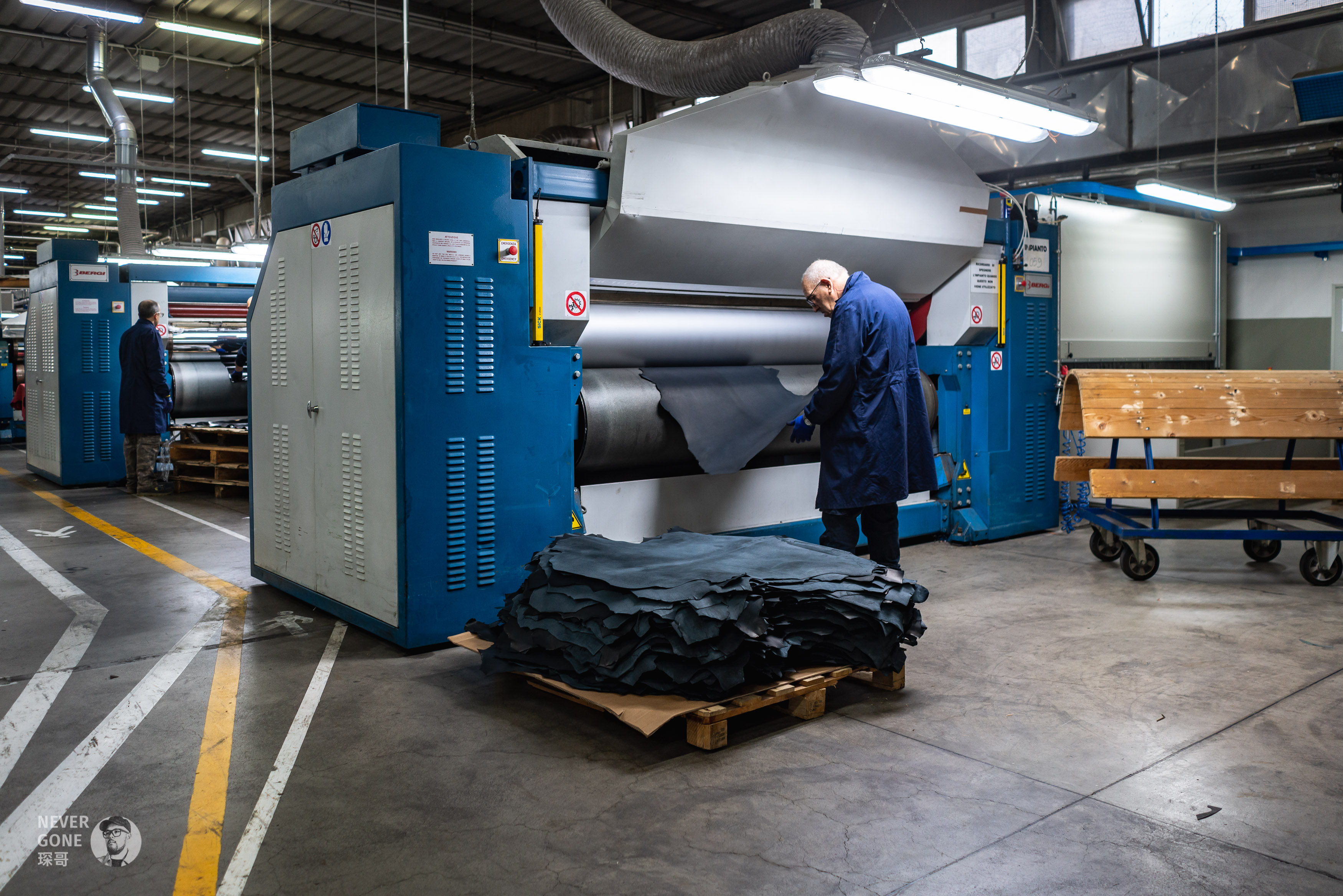
Some stacked leather.

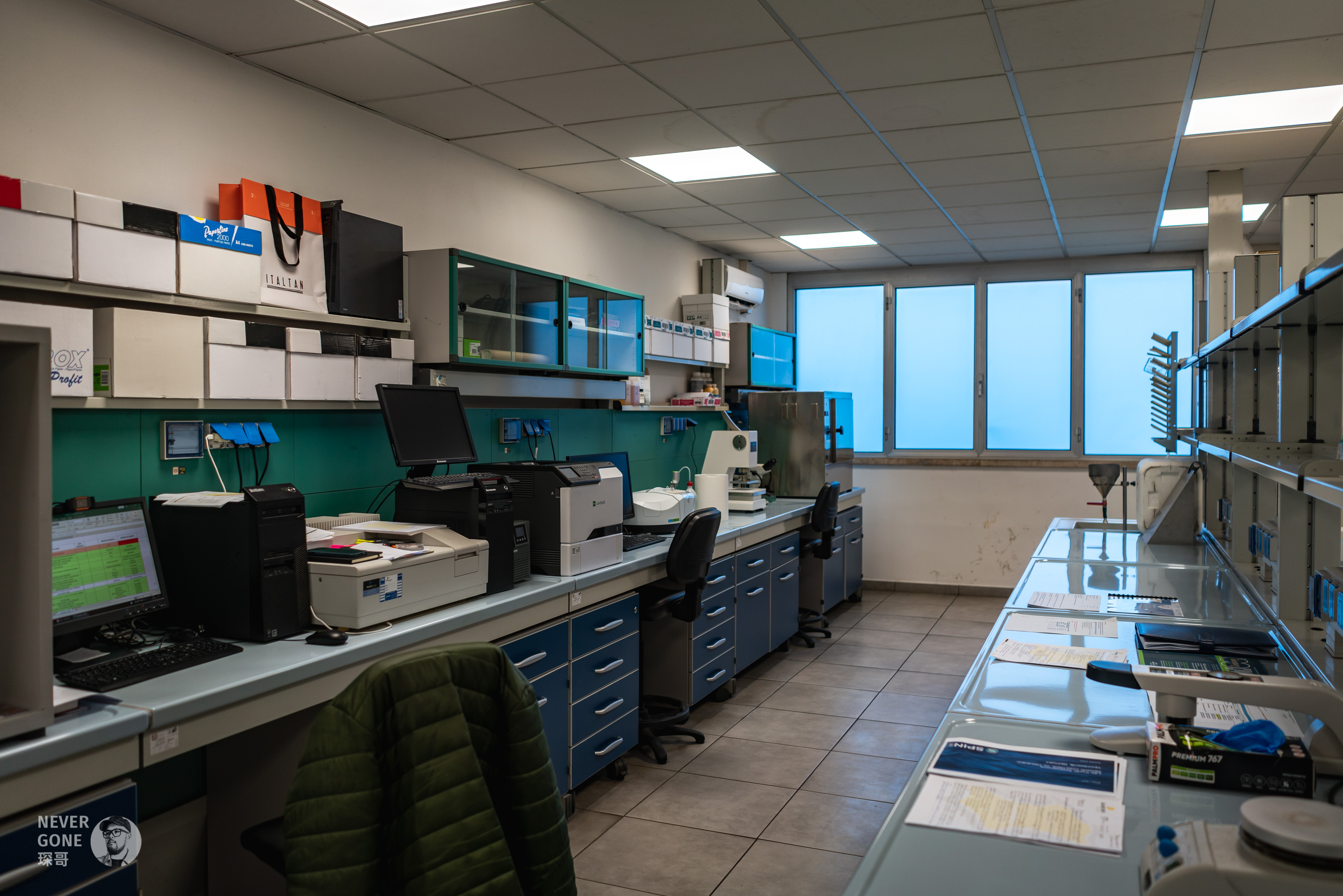
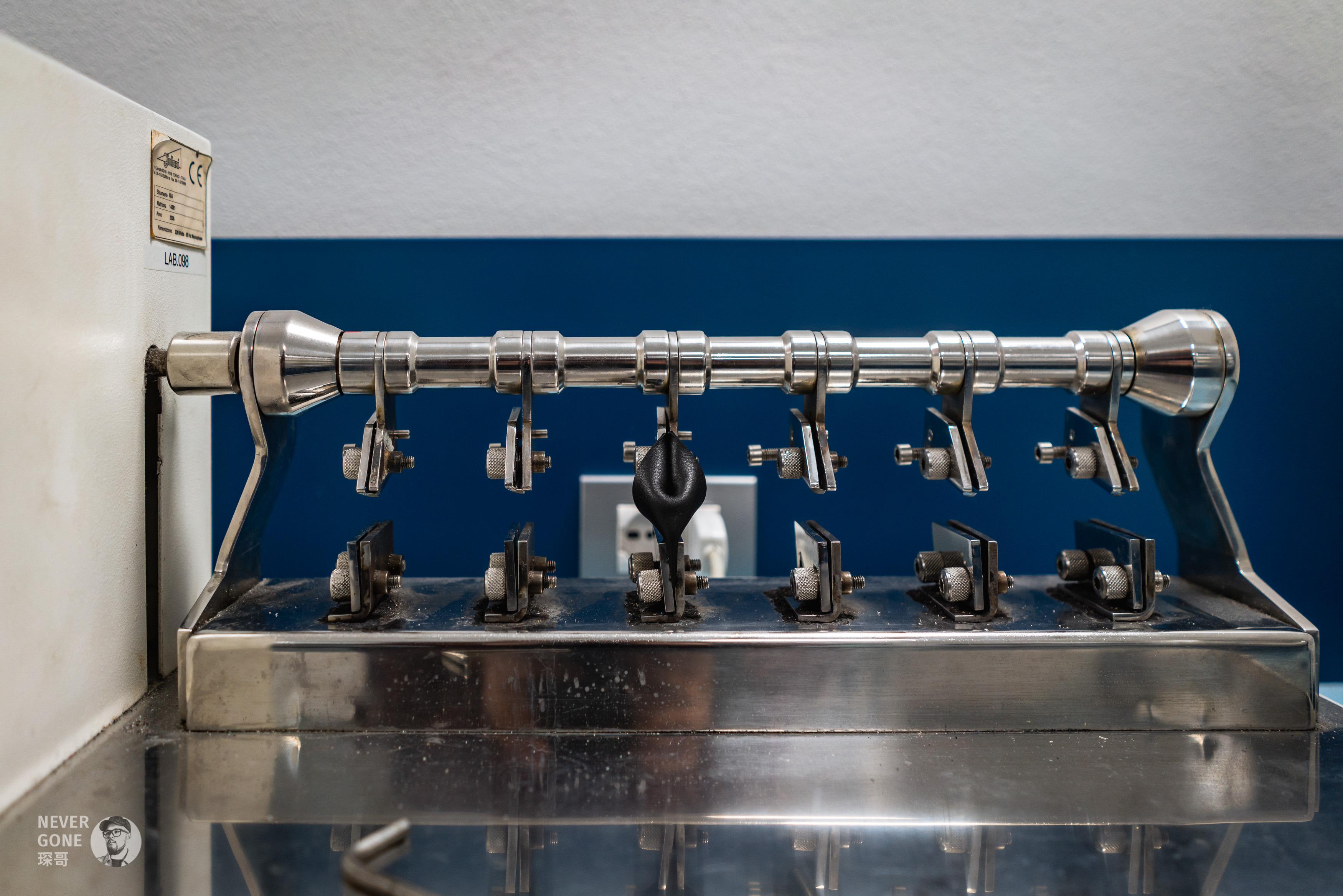
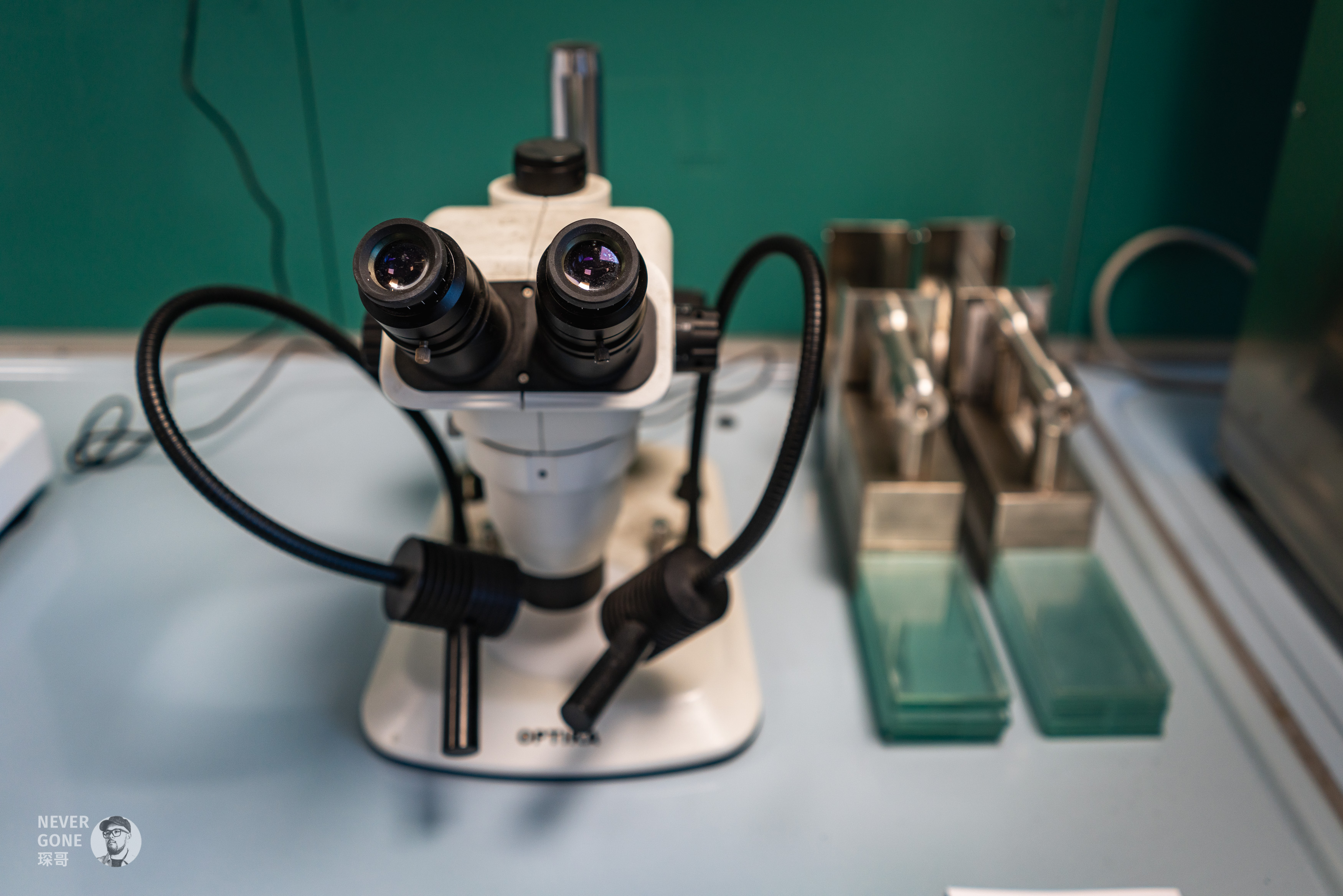
Leather laboratory, various scientific research and testing equipment.
There are also several warehouses.
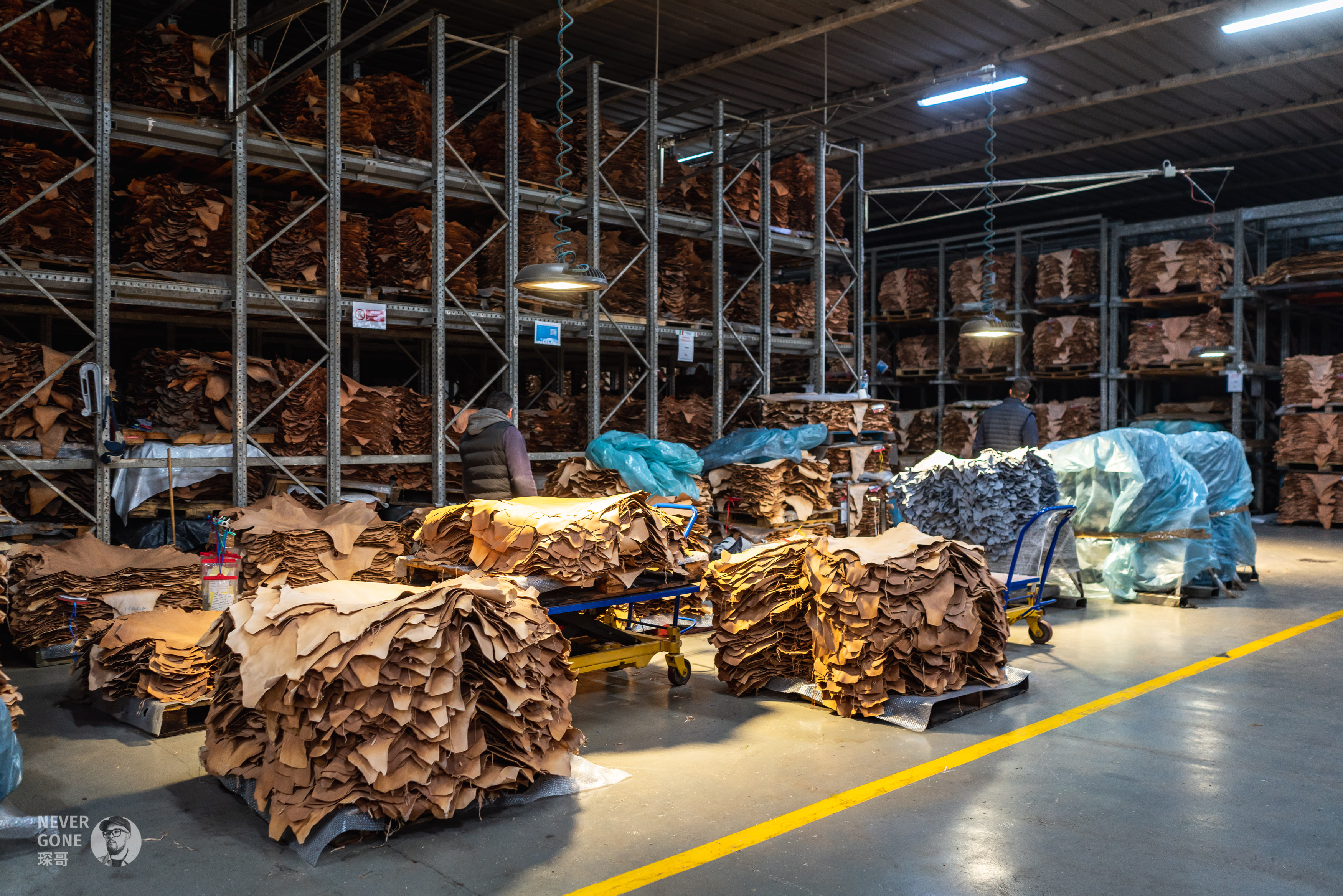
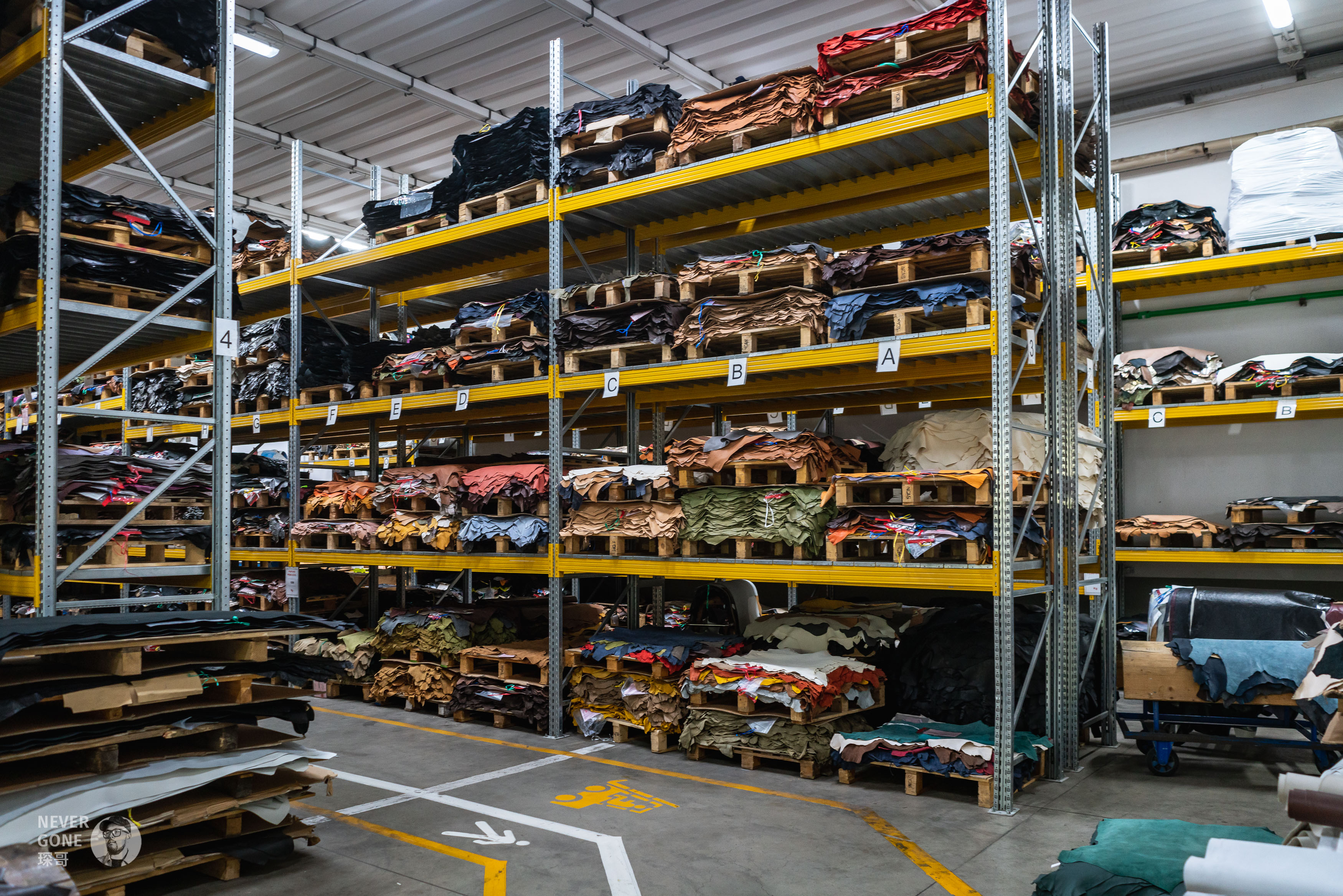
INCAS’s customers are mainly various luxury design brands, which have high personalized demands for leather materials. Therefore, in addition to some traditional high-end calfskin, there are also a variety of “very fashionable” leather materials. This should not conform to the aesthetic of retro players. But there is no way, if only doing products that retro people are interested in, it is definitely not enough to support such a large scale.
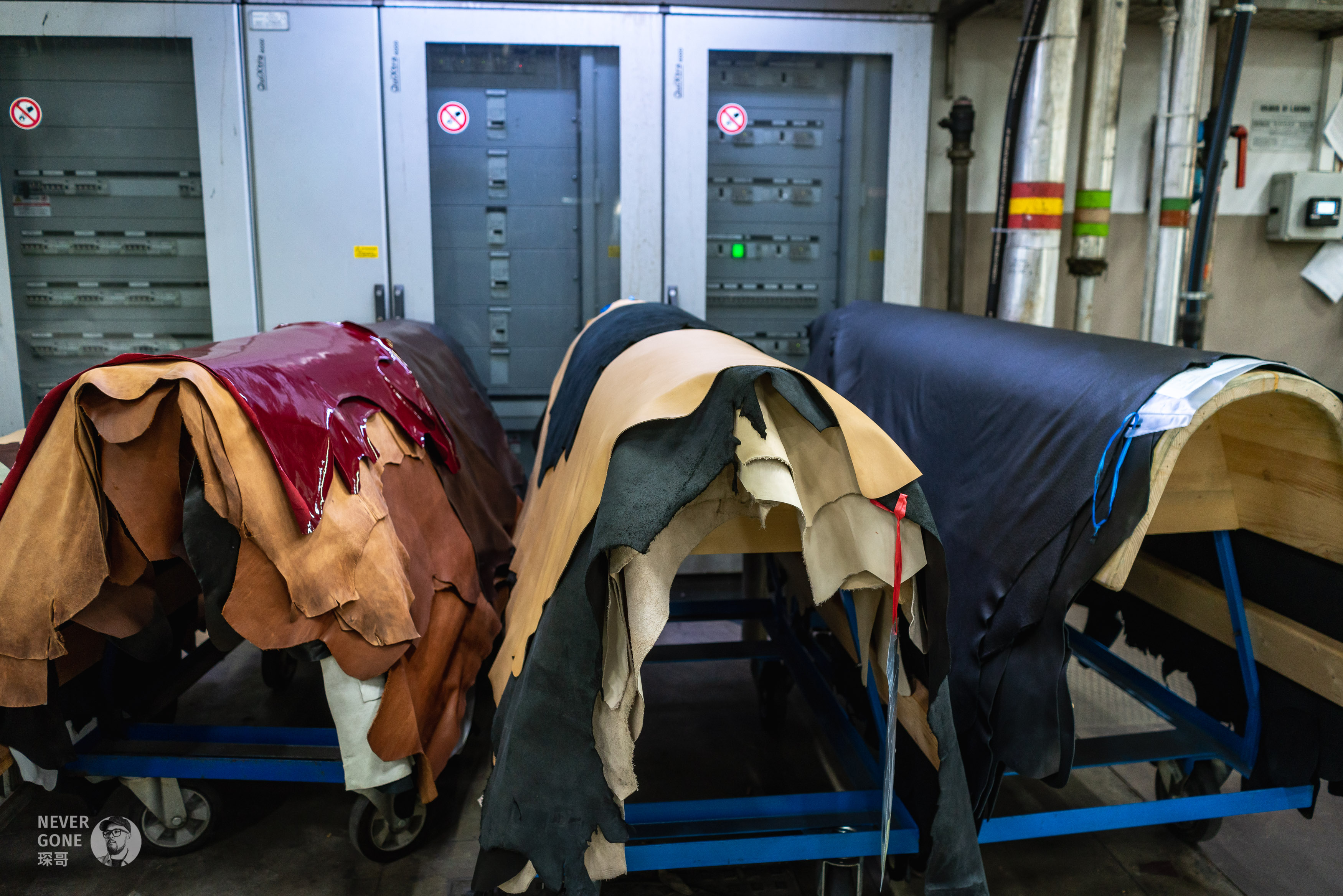
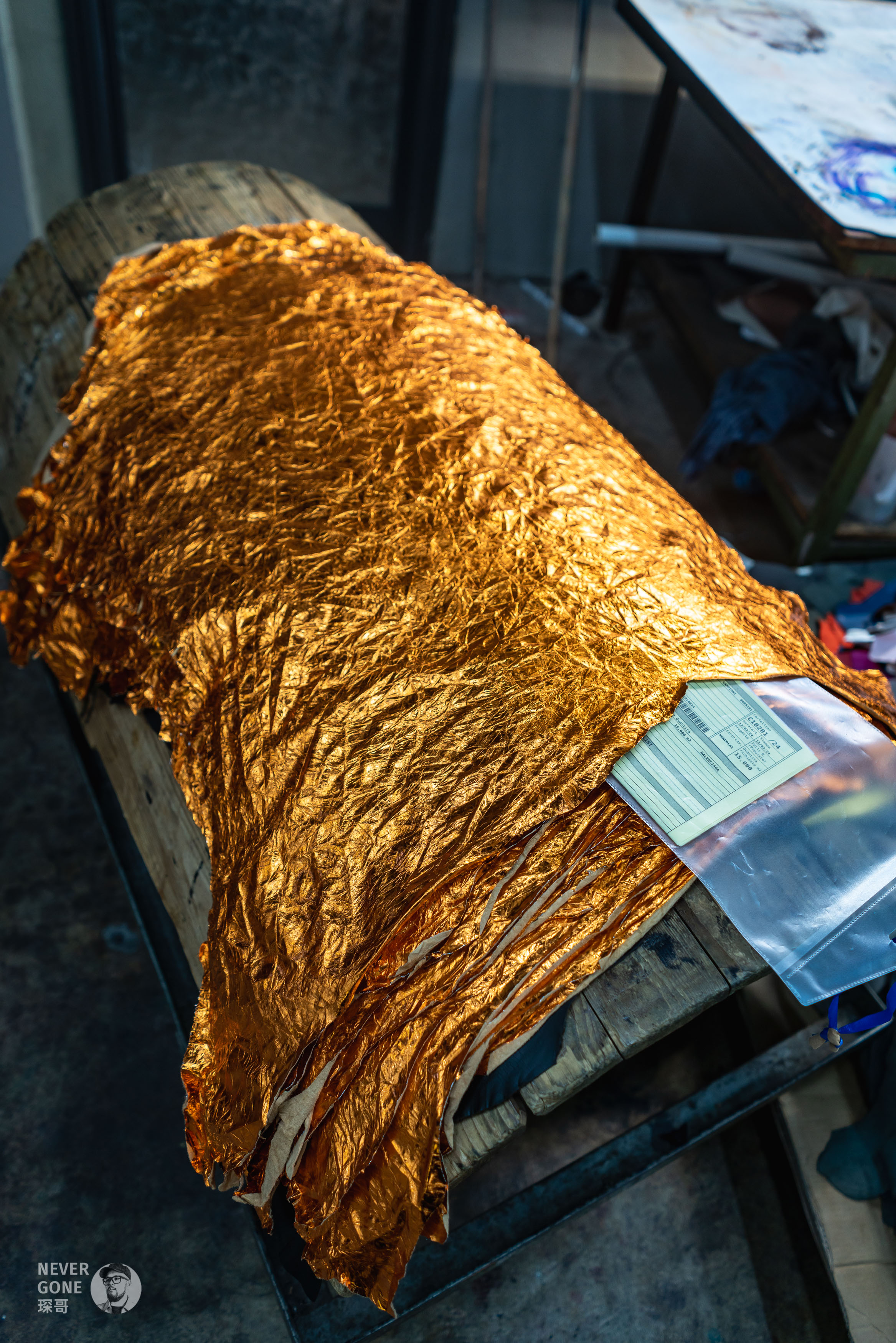
But due to high technology and complete equipment, it can also produce things that retro people like. I roughly looked for the things I am interested in and found that there are vegetable-tanned kangaroo Max, vegetable-tanned deerskin, vegetable-tanned water buffalo skin Polo.

The champagne-colored MAX(F569 H) is a bit showy, and the black one looks good.

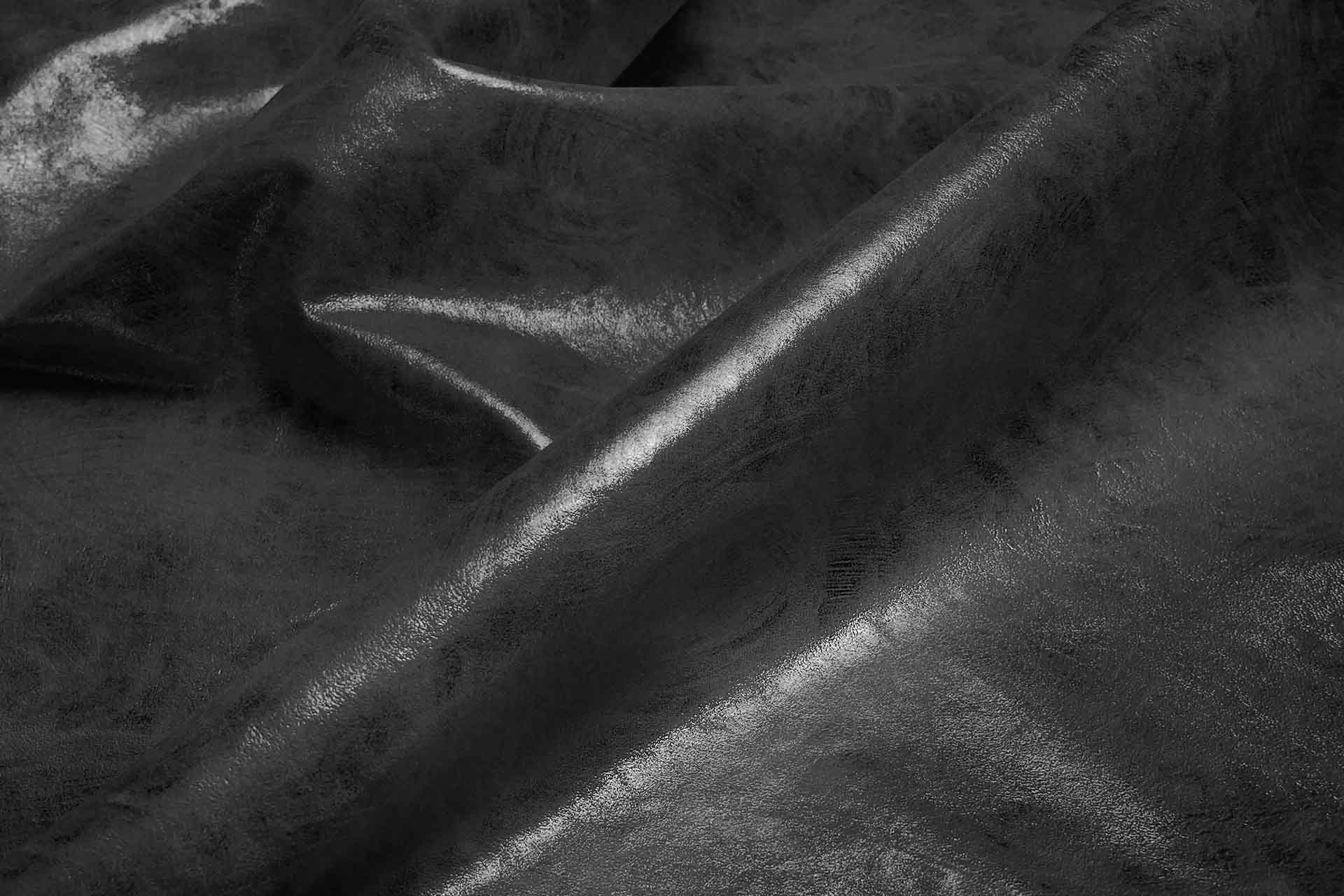
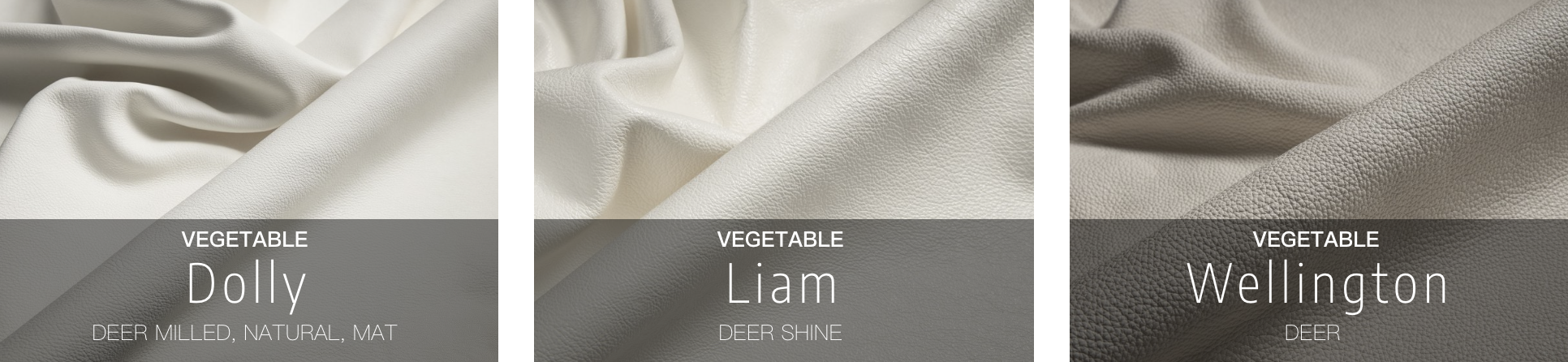
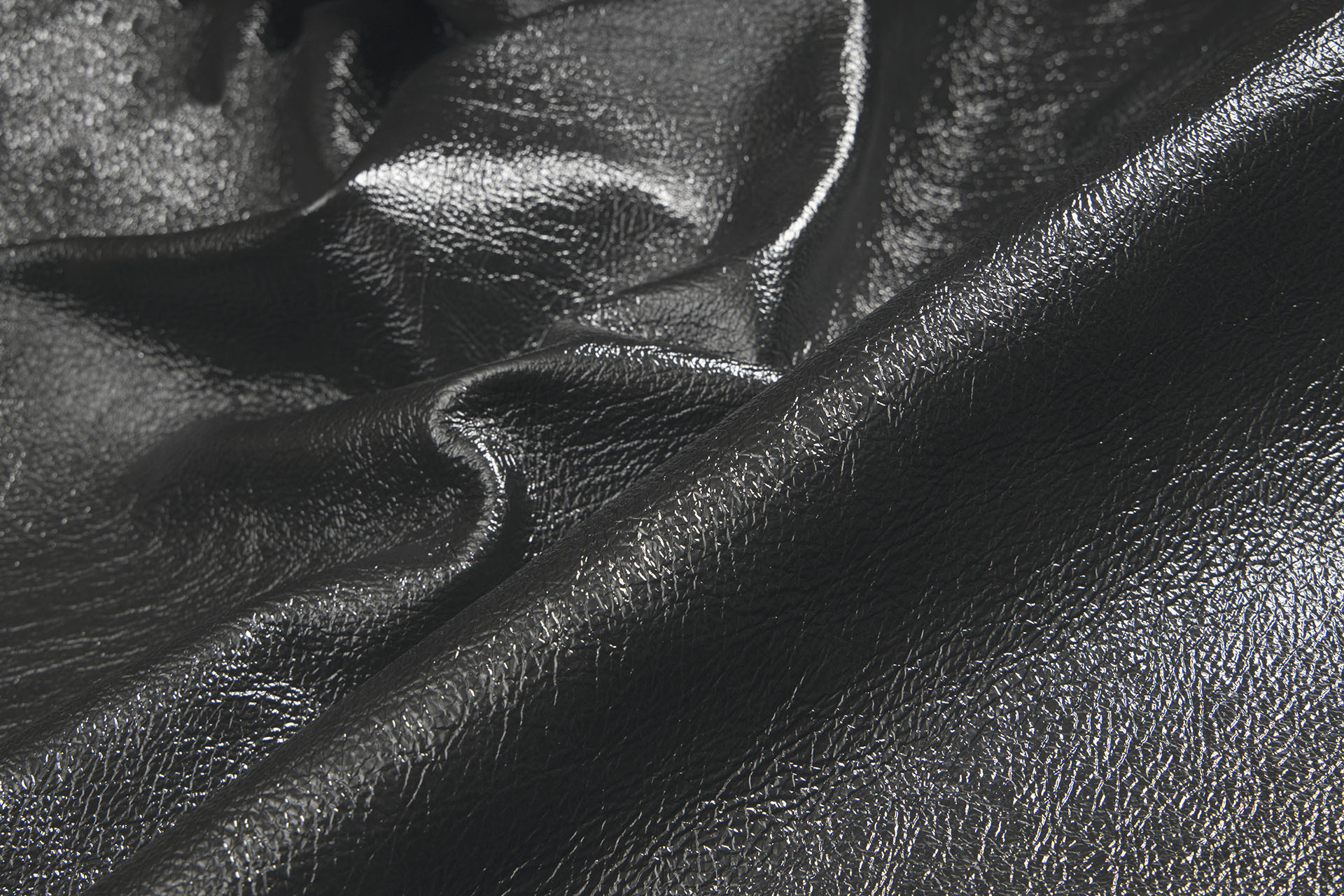
Several kinds of vegetable-tanned deerskin, the glossy black deerskin should look good when made into leather clothes.
Polo is this kind of vegetable-tanned water buffalo skin with a grainy texture, which is expected to be similar to the effect of the original color of the Tenjin Works after being patina.
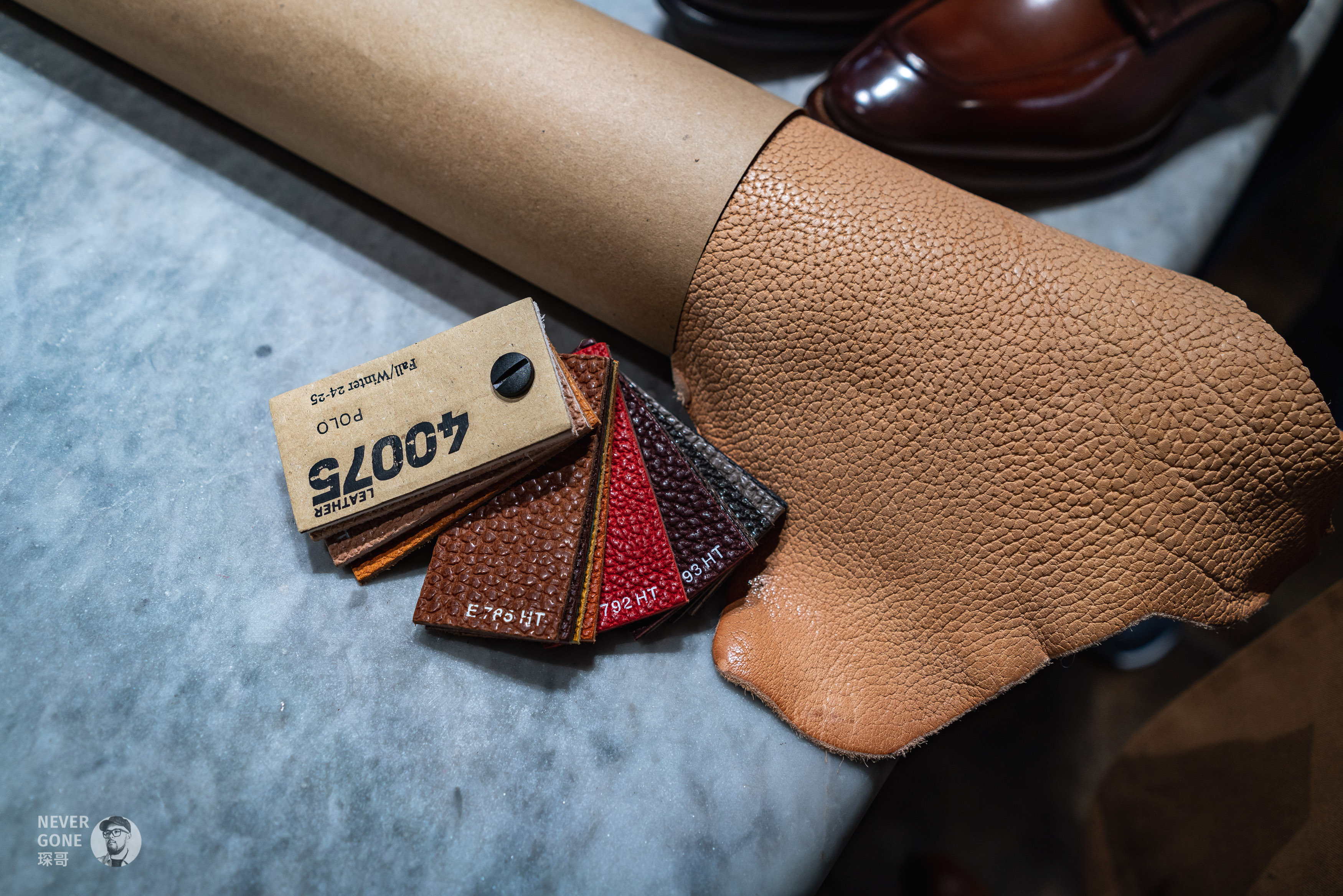
Leather 40075 is a vegetable-tanned leather product series of INCAS, named LEATHER FOR EARTH. 40075 is the number of kilometers of the Earth’s circumference. The leather factory takes environmental protection as the core and controls the entire production process, such as:
Employees must enjoy safe and ethical working conditions, etc.
Raw hides must be purchased from suppliers who adhere to ethical norms and sustainable development, ensuring animal welfare and traceability.
Vegetable tannins must come from FSC certified wood.
The tanning process must save energy and reduce the use of harmful chemicals.
Electricity must be 100% renewable.
The finished product must be 100% biodegradable.
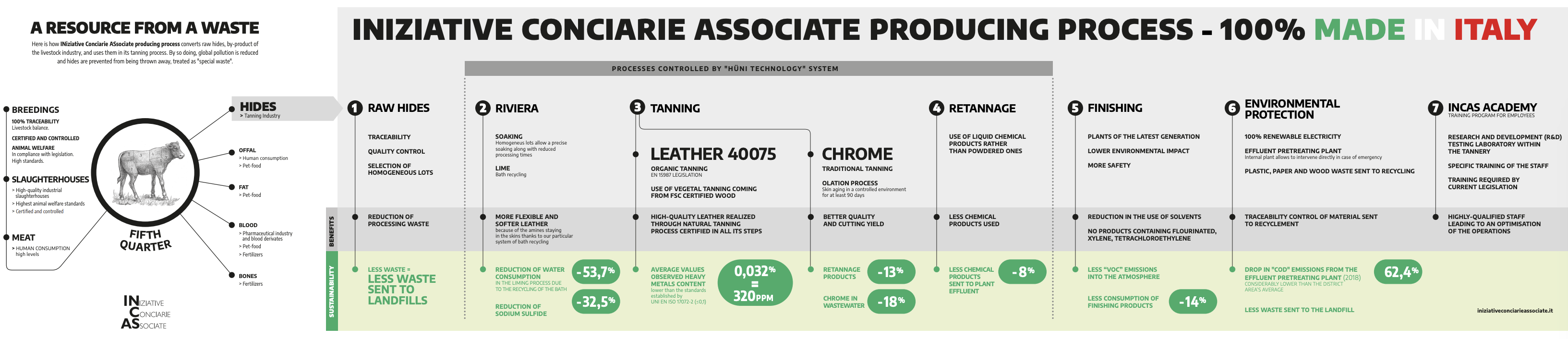
In short, this factory really embraces environmental protection and sustainable development, which indeed costs a lot of money and time. There is no way, Europeans pay great attention to this. Below are the relevant certifications obtained by INCAS.

But as a retro guy, I always feel that environmentally friendly things are not very good, such as environmentally friendly glue is more likely to open the glue, the output after reducing the pollution of chrome tanning is not as good as before, there are quite a few examples like this. However, environmental protection and sustainability are definitely the trend of the times, how to balance and make trade-offs is definitely very difficult.
So this update is here, see you next time~


 NeverGone琛哥
留下评论